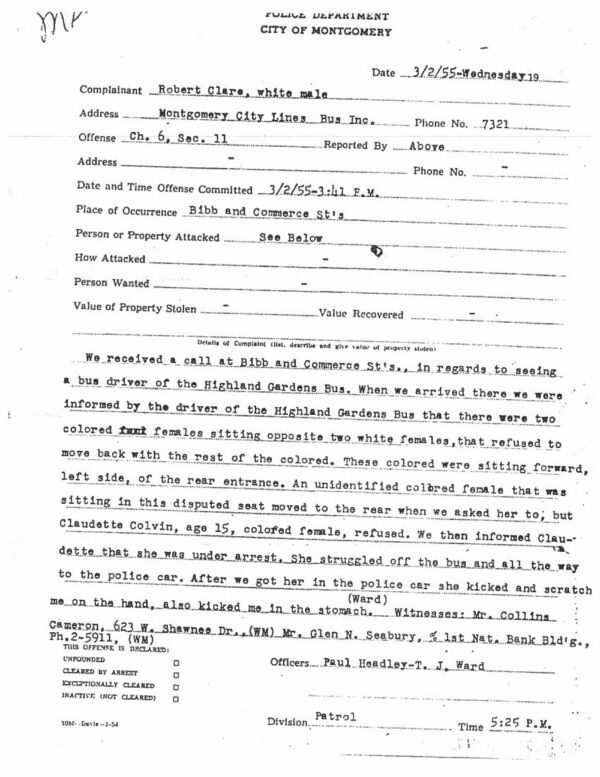
Hidden Heroes: Uncovering Claudette Colvin’s Role in Changing History
Explore the activism of youth civil rights leader, Claudette Colvin, and how she contributed to the advancement of the Civil Rights Movement.
Lesson Plan
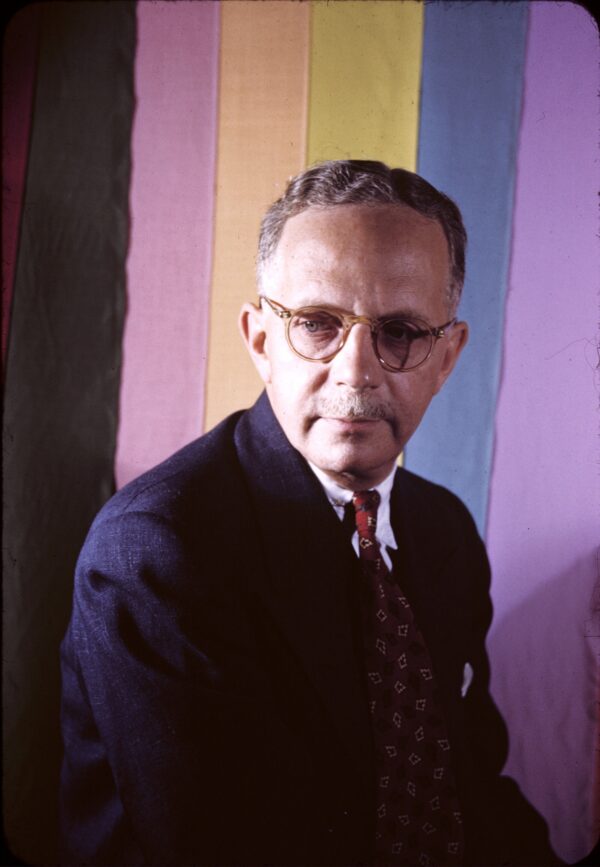
This lesson explores the complexity of former NAACP president Walter White’s public views during the Cold War Era and reveals some of the divisions within the civil rights movement as McCarthyism intensified.
Walter White’s decision not to publicly criticize Senator McCarthy’s anti-communist campaign, while condemning Paul Robeson for his perceived Soviet support, highlights the complexities and tensions of the Cold War era. McCarthyism was characterized by the aggressive pursuit of alleged communist sympathizers within the United States, creating an atmosphere of fear and suppression of dissent. White’s silence towards McCarthy might reflect the prevailing political climate and fear of retribution for challenging the status quo. On the other hand, his criticism of Robeson reveals the division within the civil rights movement, as some activists took stronger anti-communist stances to avoid being discredited by association with the Soviet Union. This episode underscores how individuals and movements navigated their positions within the broader ideological struggle of the Cold War, showcasing the ways in which the era’s politics and fears impacted the actions of key figures like Walter White
Fifth
Civics, Social Studies, US History, World History
90 minutes
Two 45-minute Class Periods
Activities, Background Essay, Biographies, Glossary, Primary Sources, Rubric, Secondary Sources, Timeline
At the end of this lesson students will be able to:
It will be helpful for students to be familiar with:
Georgia:
SS5H5: Discuss the origins and consequences of the Cold War.
ELAGSE5RI7: Draw on information from multiple print or digital sources, demonstrating the ability to locate an answer to a question quickly or to solve a problem efficiently.
ELAGSE5RI6: Analyze multiple accounts of the same event or topic, noting important similarities and differences in the point of view they represent.
ELAGSE5RI9: Integrate information from several texts on the same topic in order to write or speak about the subject knowledgeably.
ELAGSE5W3: Write narratives to develop real or imagined experiences or events using effective technique, descriptive details, and clear event sequences.
The action of advocating, pleading for, or supporting a cause or proposal.
An economic system characterized by private or corporate ownership of capital goods, by investments that are determined by private decision, and by prices, production, and the distribution of goods that are determined mainly by competition in a free market.
Sign in
or
create a free account
to access the full lesson plan and more.
Explore the activism of youth civil rights leader, Claudette Colvin, and how she contributed to the advancement of the Civil Rights Movement.
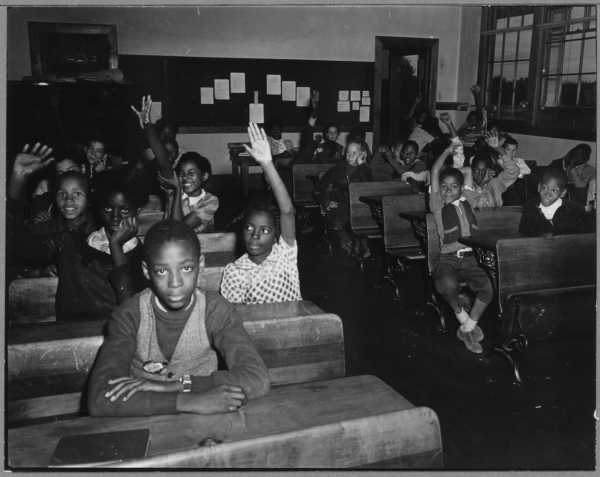
Students explore Investigation Stations to better understand the pivotal Brown v. Board of Education case that recognized the human and civil rights of all students by declaring school segregation unconstitutional.