Walter White: Advocate in Changing Times
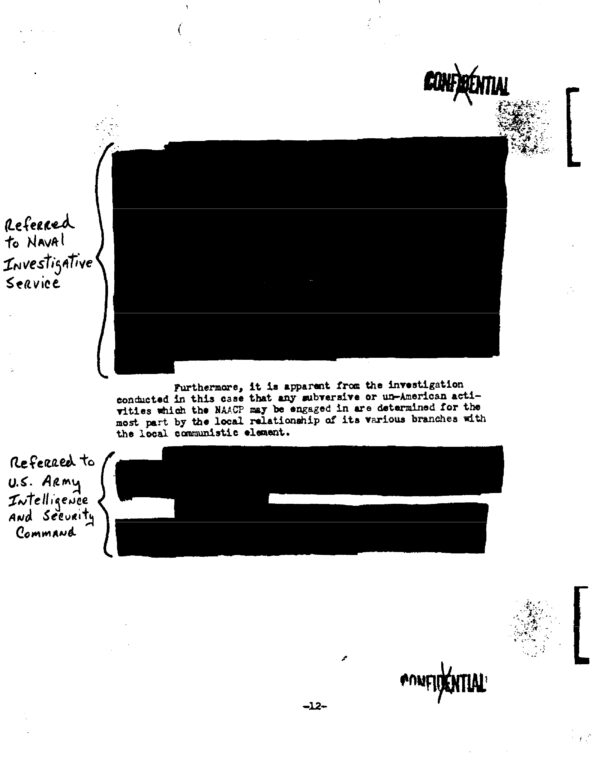
This lesson explores the complexity of former NAACP president Walter White’s public views during the Cold War Era and reveals some of the divisions within the civil rights movement as McCarthyism intensified.
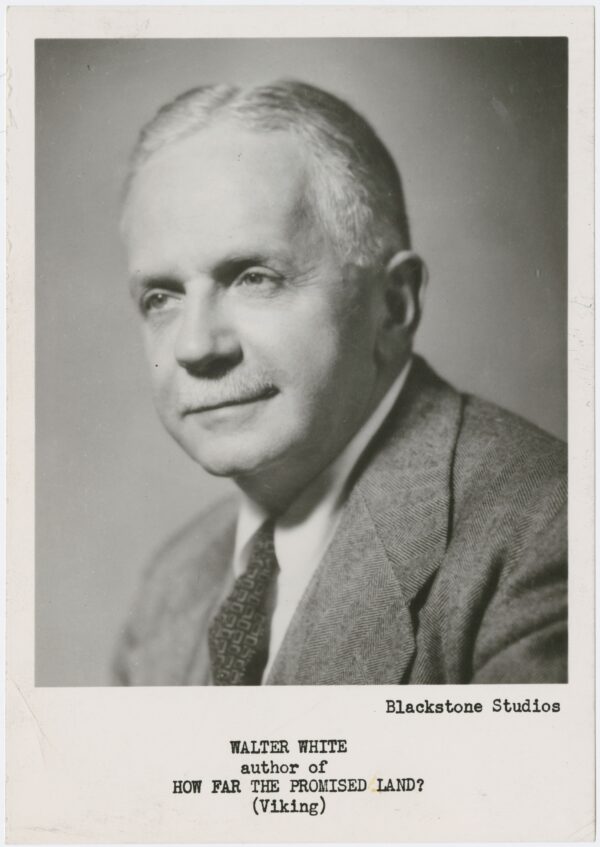
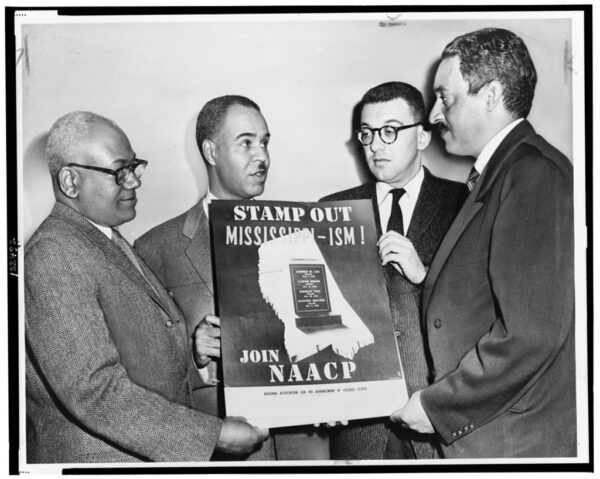
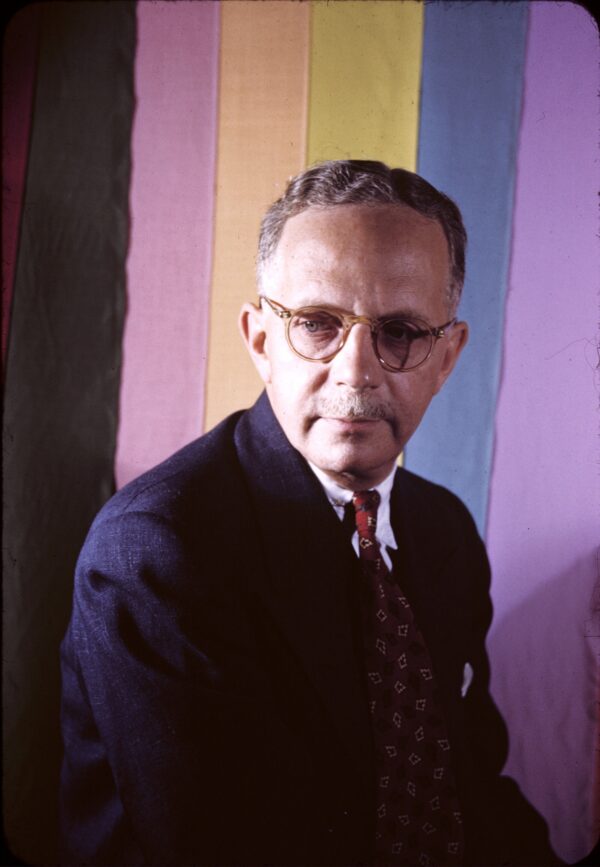
Walter Francis White was a prominent African American civil rights activist and leader during the Civil Rights Movement. He played a crucial role as the executive secretary of the National Association for the Advancement of Colored People (NAACP) from 1931 to 1955. White’s light skin allowed him to “pass” as white, granting him unique access to spaces and opportunities that other activists couldn’t easily access. This enabled him to gather critical information about racial injustices and to advocate for change on both personal and systemic levels. Throughout his career, White faced complex decisions related to civil rights, the Cold War, and the challenges of upholding his beliefs amidst political tensions.
Featured in
This lesson explores the complexity of former NAACP president Walter White’s public views during the Cold War Era and reveals some of the divisions within the civil rights movement as McCarthyism intensified.
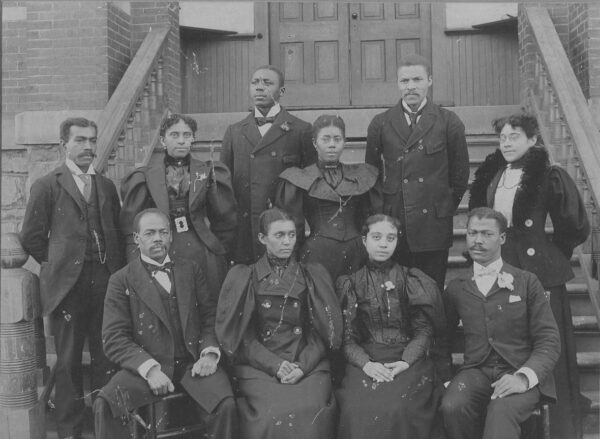
This lesson engages students with personal stories and firsthand narratives to foster empathy and a deeper understanding of the historical events of the 1906 Atlanta Race Massacre through primary sources.