Reconstructing Atlanta
For Black Americans, Reconstruction was defined by promises of economic, political, and social freedom—and the betrayal of those promises.
During Reconstruction, Atlanta was rebuilding from the war’s devastation. This presented Black citizens with opportunities to build institutions and thriving communities. Their progress was met with resistance that culminated in the 1906 Atlanta Race Massacre.
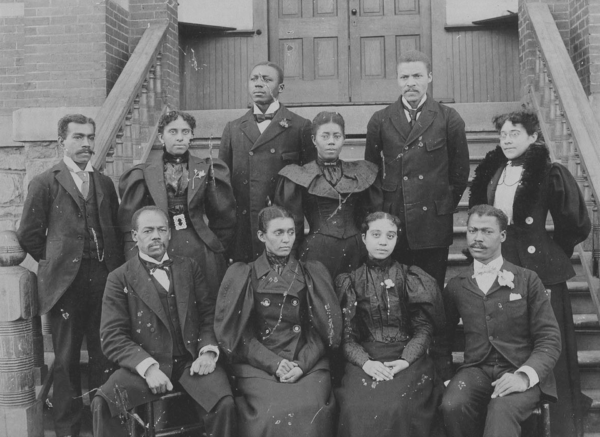
In the decades that followed, Black Atlanta citizens rebuilt once more. The resulting network of Black-owned businesses, civic organizations, educational institutions—and the influential Black middle class that established and grew from them—made Atlanta fertile ground for the emergence of the Civil Rights Movement.
Reconstruction in the South
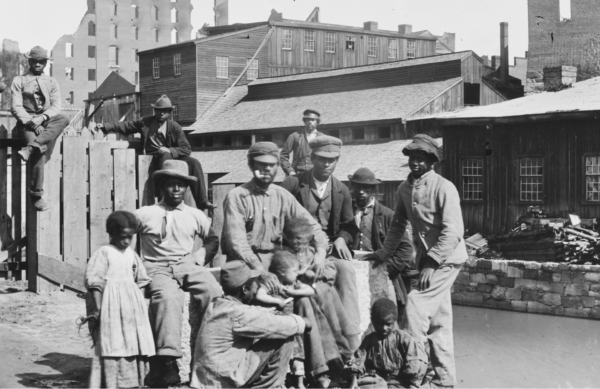
Throughout the four years of the Civil War, hundreds of thousands of enslaved Black people liberated themselves, risking their lives to escape their circumstances. Many sought out Union troops and fought alongside them with the goal of securing the freedom of all enslaved people.
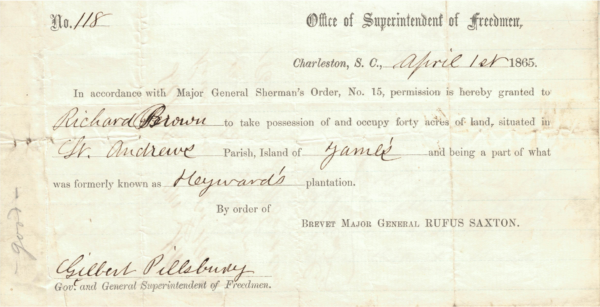
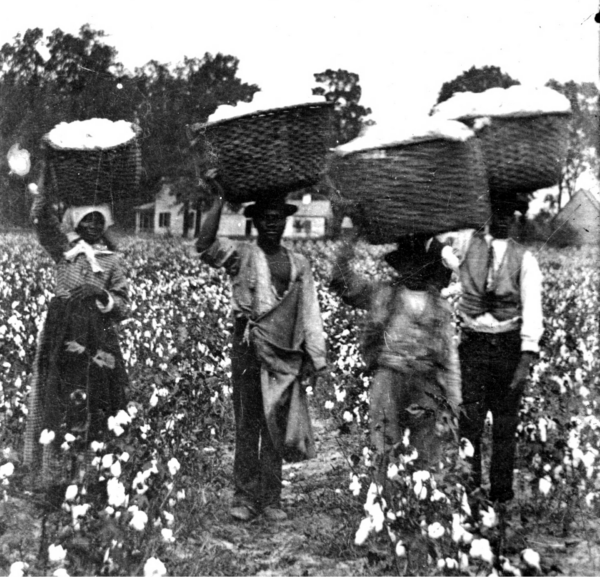
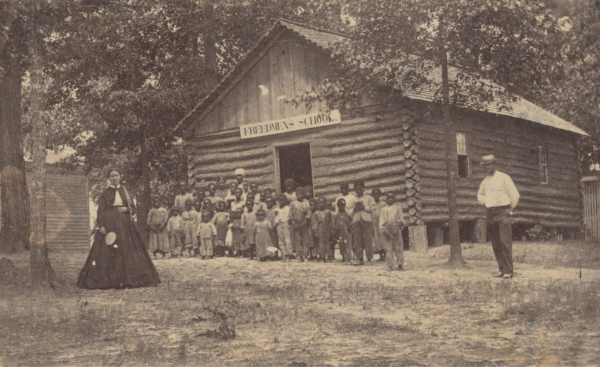
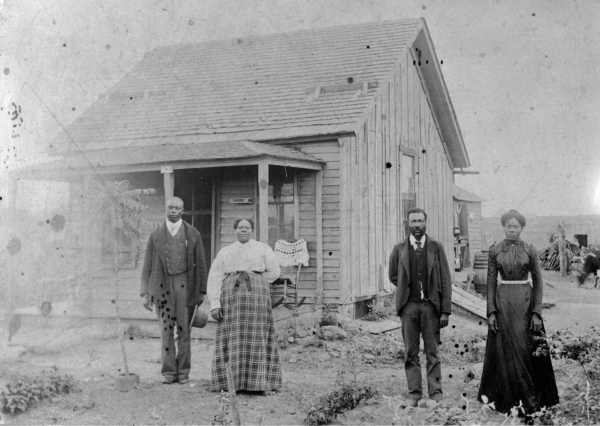
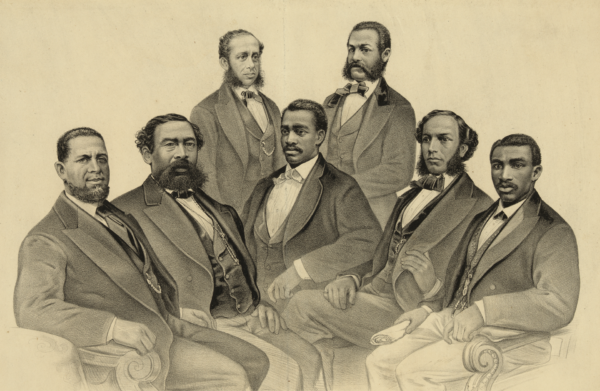
With the Union’s victory in 1865, the United States moved into Reconstruction, a period intended to establish lasting peace and help the newly freed people settle into new lives. Union troops stayed in the South to deter violence and legislature and treaties established pathways to property and education for Black Americans.
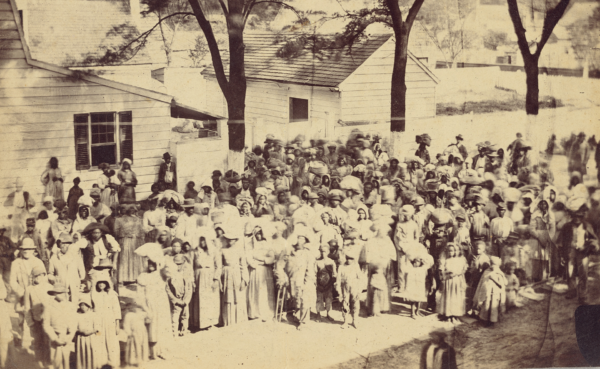
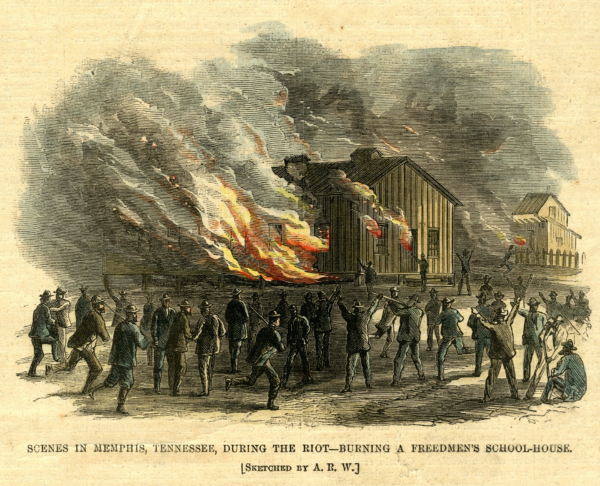
But as Black people gained new freedoms and the hope for stability, the former Confederate states were also re-establishing power—power that they used to strip Black Americans of their rights through legislature and mob violence.
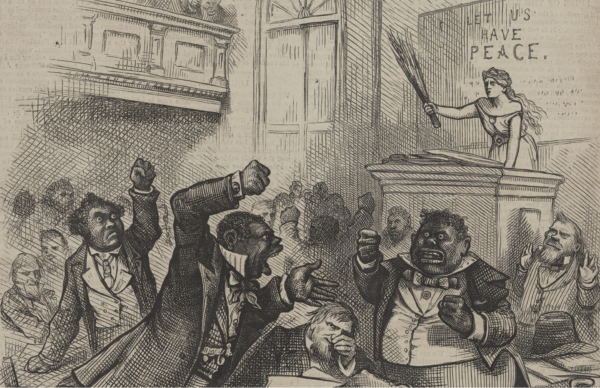
Promises Abandoned
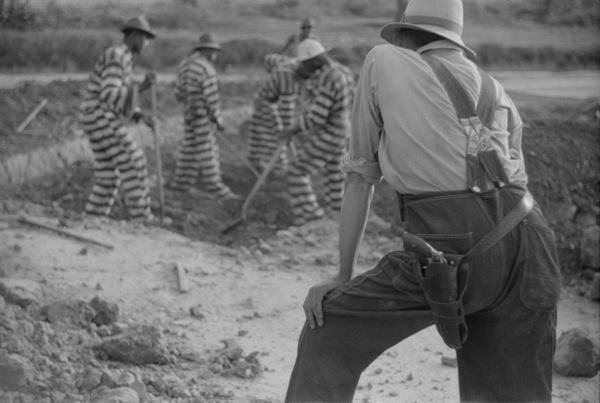
12 years after the war ended, Congress passed the Compromise of 1877. Former Confederate states regained control of the political landscape, rolled back hard-won protections and reinstated a strict racial hierarchy. Reconstruction had ended with the promise of freedom and equality for Black Americans unmet.
The Rise of Black Atlanta
After the Civil War, many newly freed Black people migrated to Atlanta. Federal troops were stationed there, which offered some level of protection unavailable in the rural areas of the South. From 1860 to 1870 the Black population of Atlanta doubled.
General Sherman’s destruction of the city led to a flurry of construction following the end of the war. This work called for a large labor force and newly freed Black men and their families flocked to the city to take advantage of the opportunity for life beyond the farm. So many people arrived that the city experienced a major housing crisis and tent cities for Black migrants sprung up in the city’s least desirable areas.
As time went by, however, these tent cities were transformed into vibrant neighborhoods where Black businesses, schools, and churches thrived. Prosperity brought important services and some political influence to the wider Black community. But even these modest achievements inflamed white resentment: racism and discrimination continued to limit progress for Black citizens of Atlanta.
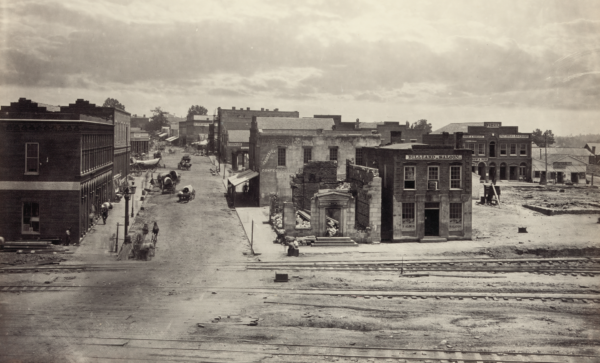
The Draw of Atlanta
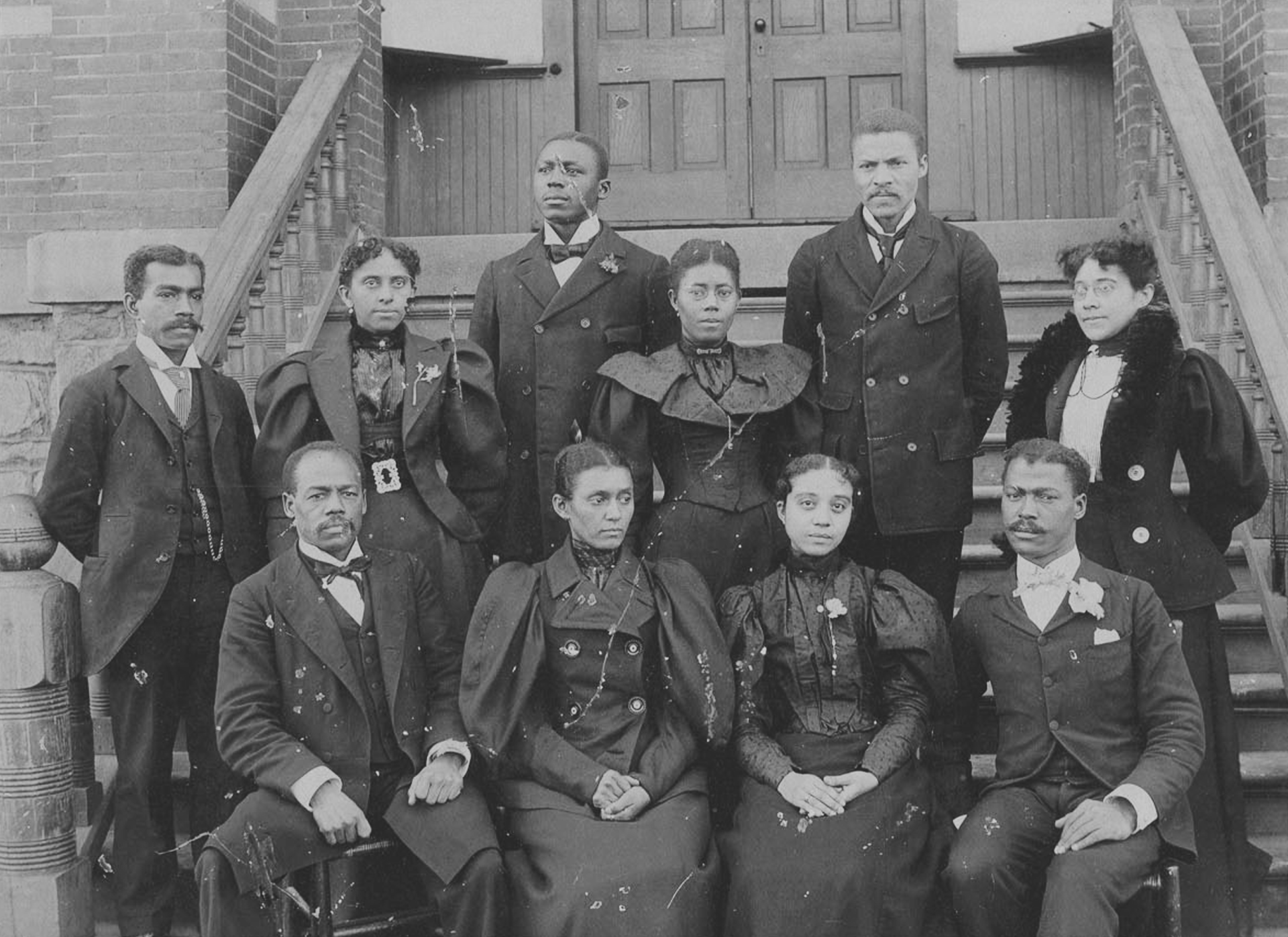
Atlanta offered unprecedented opportunities for Black Americans. Black universities and colleges, churches, and Black-owned businesses generated security and the beginnings of wealth, though only a small percentage of Black Atlanta citizens saw the prosperity of middle class — perhaps one in ten.
The Draw of Atlanta
Atlanta offered unprecedented opportunities for Black Americans. Black universities and colleges, churches, and Black-owned businesses generated security and the beginnings of wealth, though only a small percentage of Black Atlanta citizens saw the prosperity of middle class — perhaps one in ten.
Black Businesses
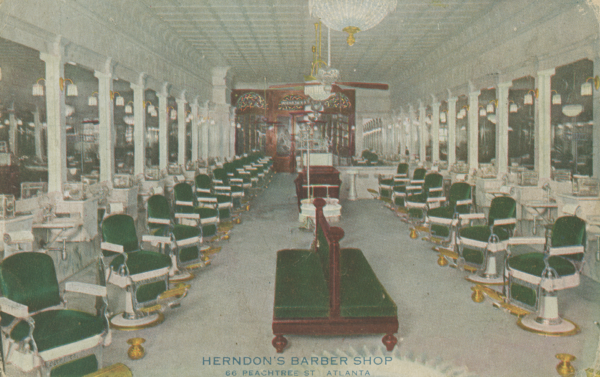
With a growing population, Atlanta had to expand its offerings of goods and services for both Black and white communities. Black citizens took advantage of this growth opportunity to launch businesses as barbers, blacksmiths, grocers, and shoemakers.
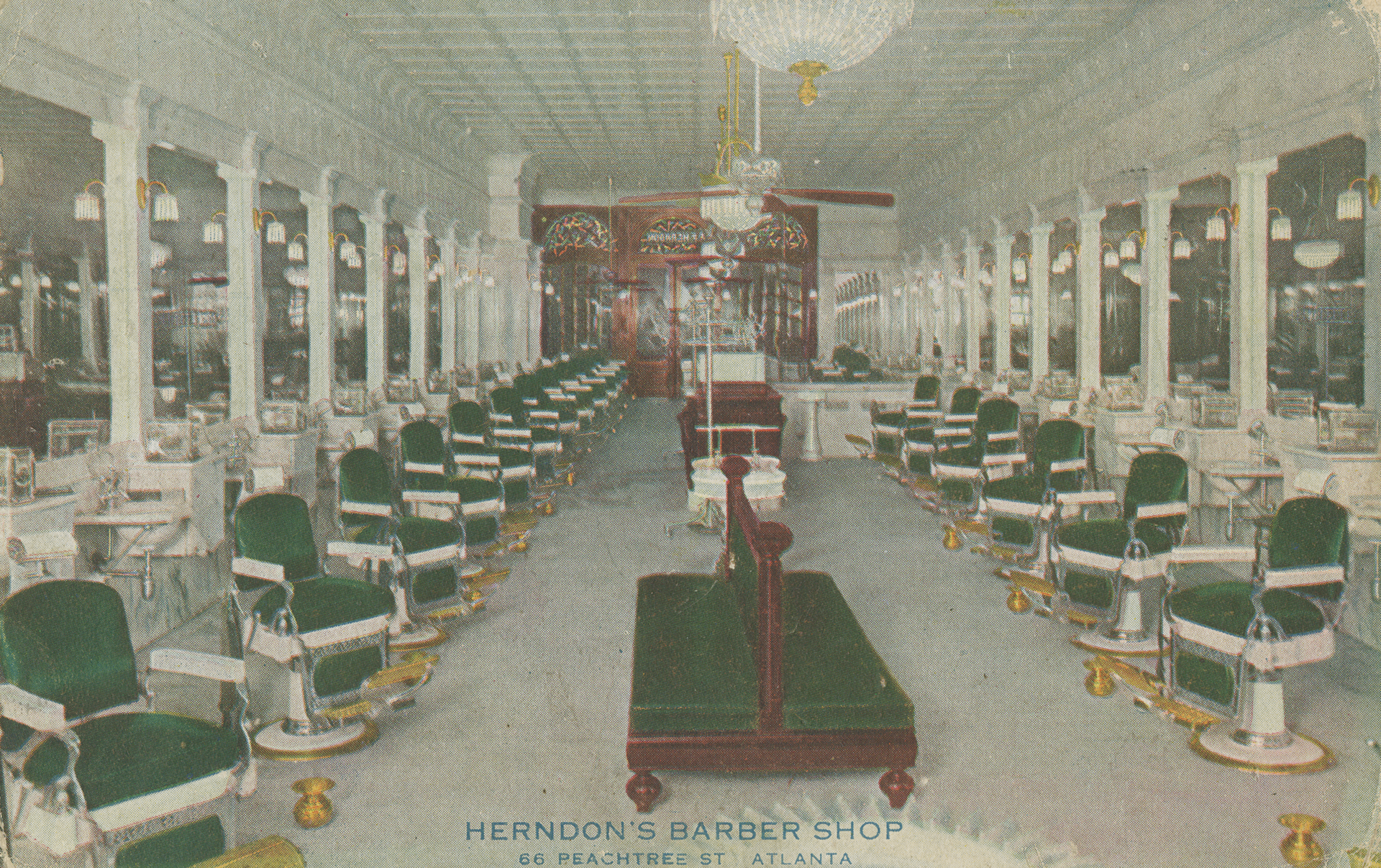
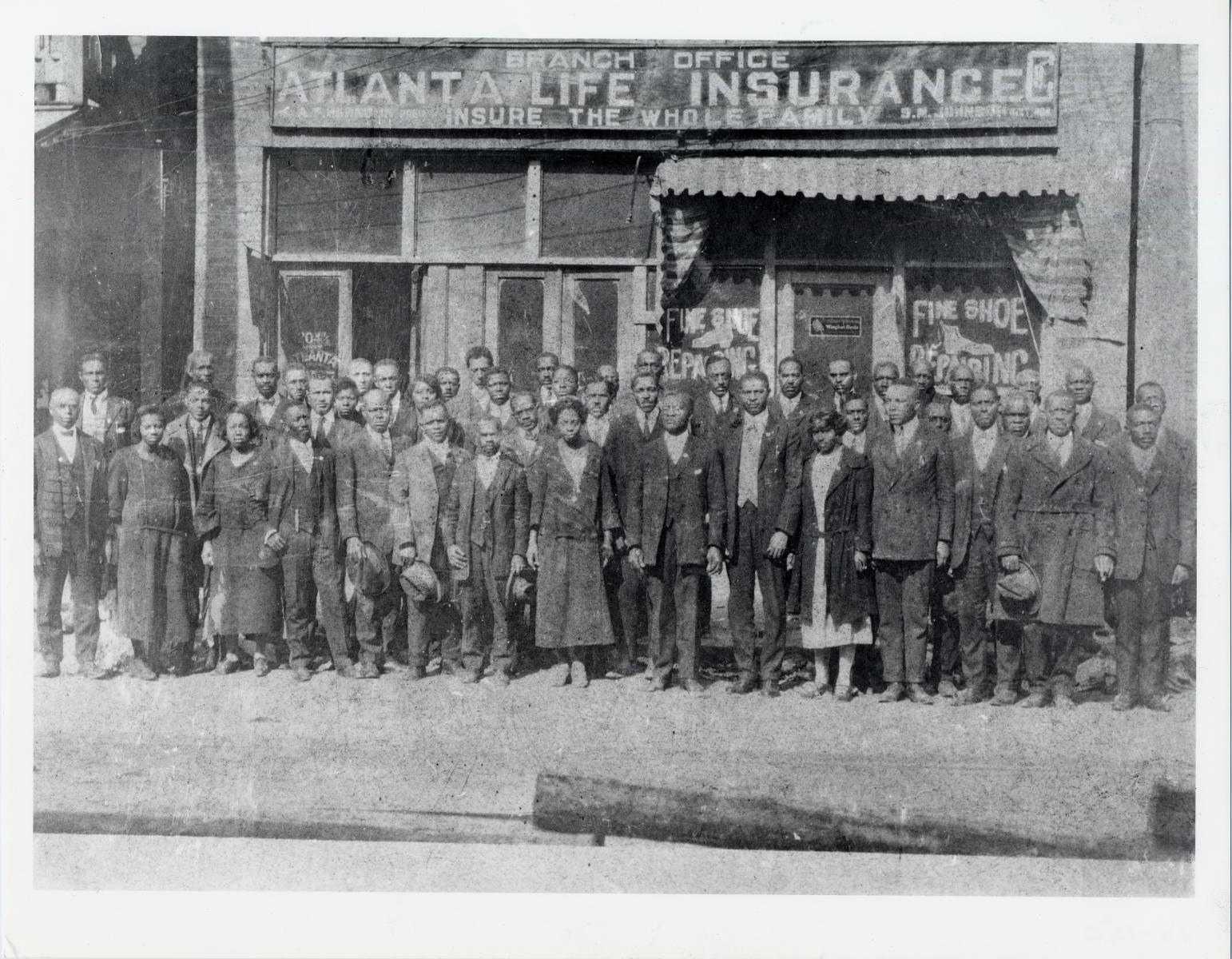
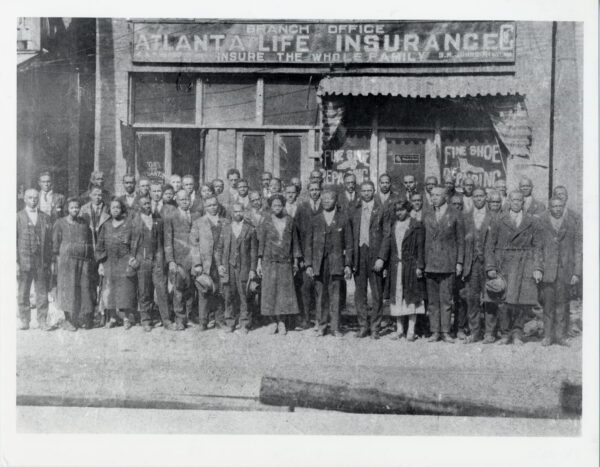
Alonzo Herndon, Atlanta’s first Black millionaire and a former slave, initially built his fortune as a barber serving only White customers at his downtown barbershop: the Crystal Palace. Herndon used his profits to fund another successful venture: Atlanta Life Insurance.
Black Colleges and Universities
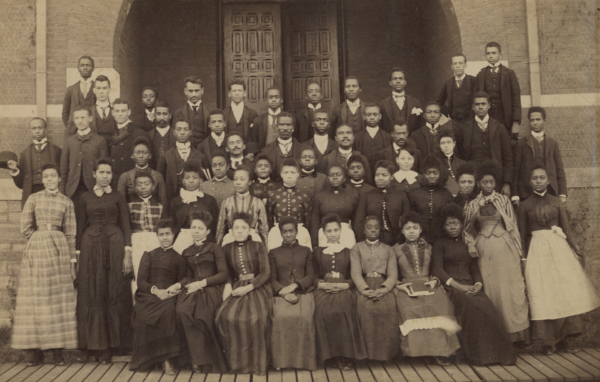
Atlanta quickly became a hub of Black higher education. Between 1865 and 1881, five colleges and universities serving Black students were established in Atlanta with the help of Black churches.
In 1865, Atlanta University was founded by the American Missionary Association, with assistance from the Freedmen’s Bureau. Today, it is the nation’s oldest graduate institution serving a predominantly Black student body. Morehouse College was founded in 1867 at Springfield Baptist Church in Augusta, GA; the school later moved to Friendship Baptist Church in Atlanta in 1879. In 1869, Clark College was founded in Atlanta’s Summerhill Community by the Methodist Episcopal Church. Spelman College was founded in 1881 at Friendship Baptist Church. Morris Brown College was founded in 1881 by the African Methodist Episcopal Church as a private, coeducational liberal arts institution.
Black Churches
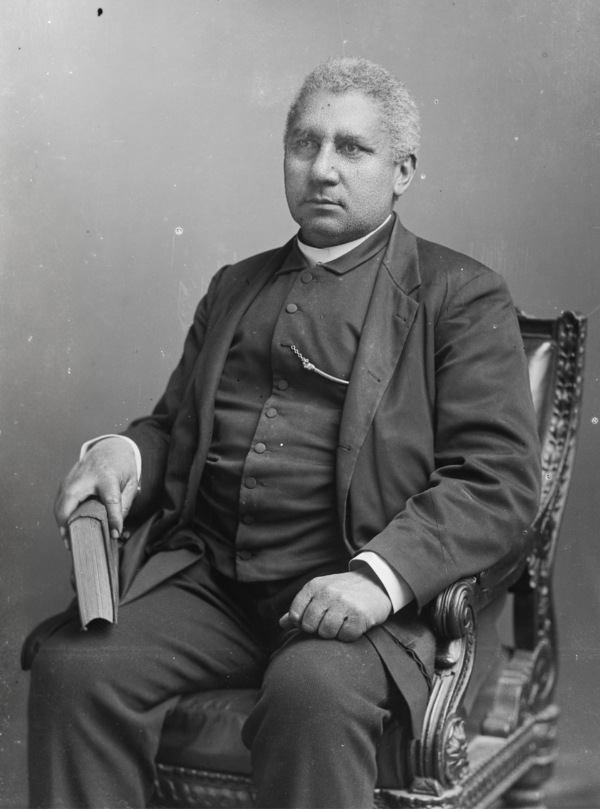
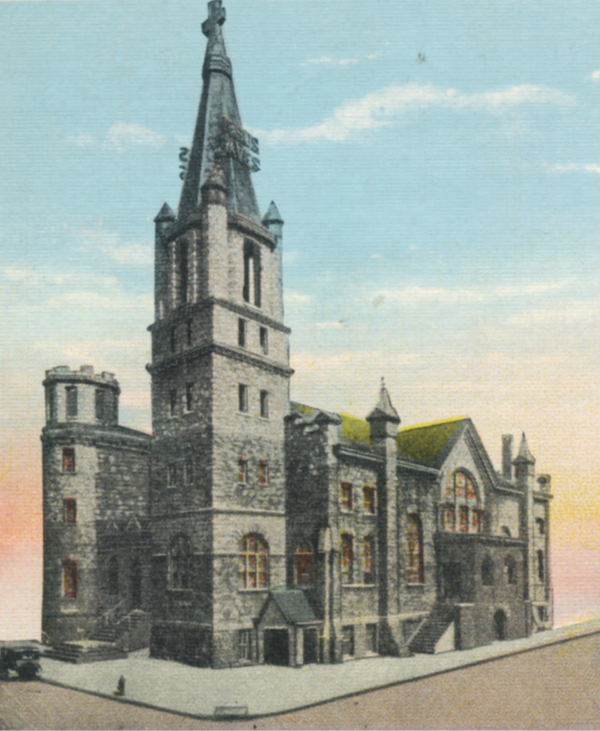
In Atlanta, institutions like Big Bethel AME Church, Wheat Street Baptist Church, Friendship and Ebenezer Baptist Churches, were places that strengthened community ties, generating hope, comfort and refuge. Black families built strong social connections during religious services and events. Many churches also provided educational and social services and were incubators for institutions of the Atlanta University Center.
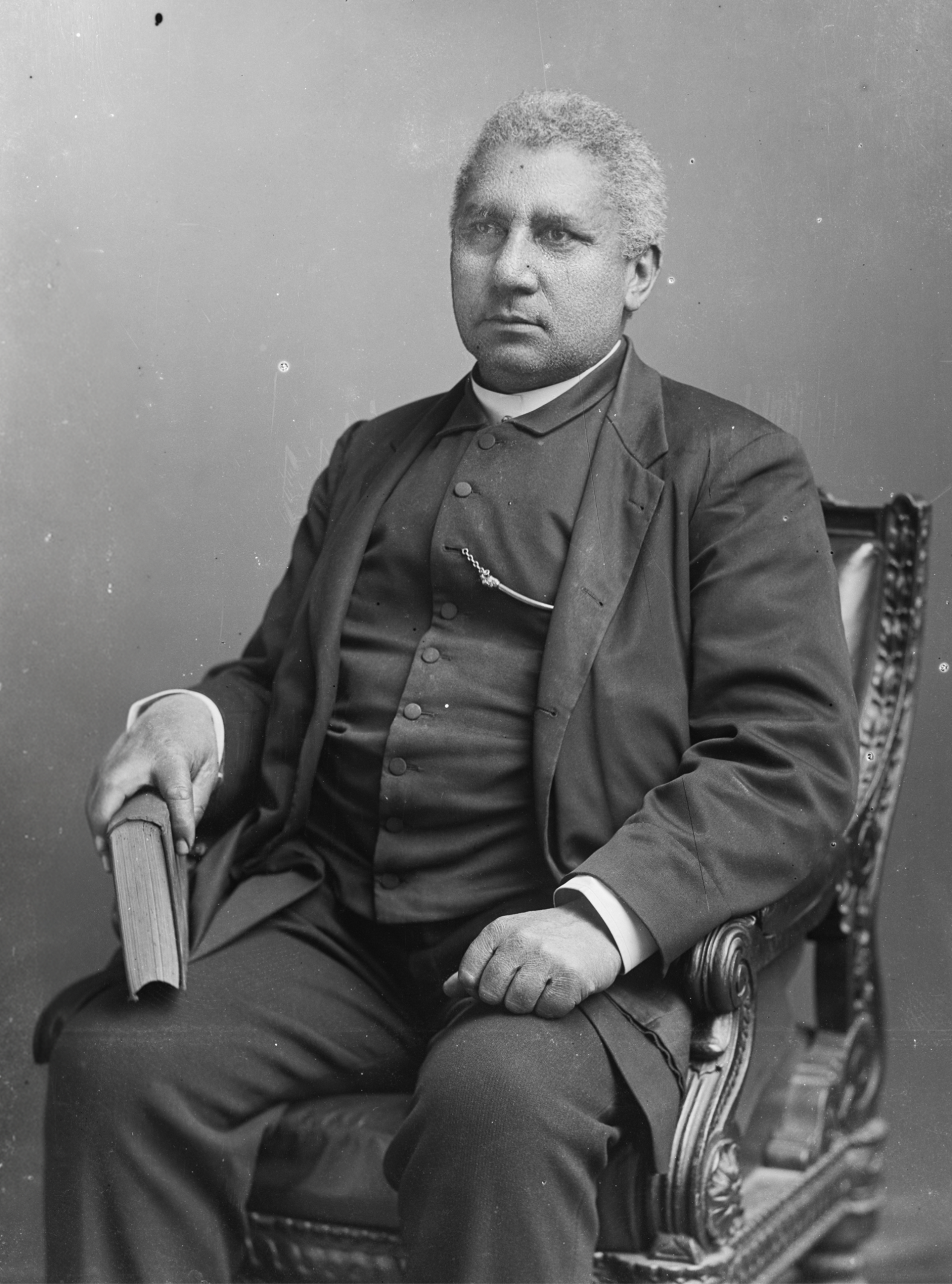
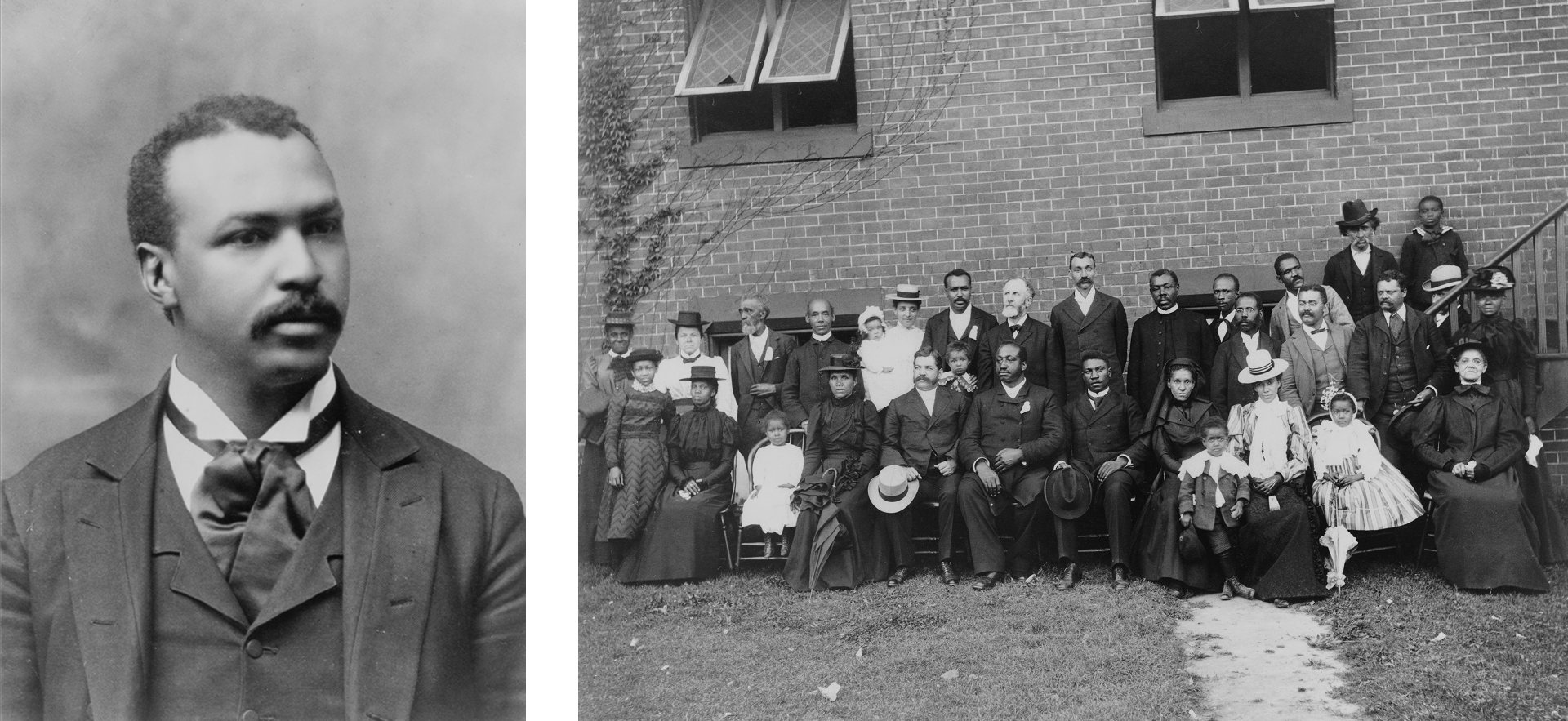
Henry NcNeal Turner (pictured here), a Black army chaplain, came to Atlanta shortly after the Civil War. He helped establish Georgia’s Republican Party and organized the African Methodist Episcopal Church in Atlanta. In 1868, voters in Macon elected Turner to Georgia’s House of Representatives. But Turner’s conservative white colleagues rejected the voters’ will by expelling him and other Black representatives.
Black Periodicals
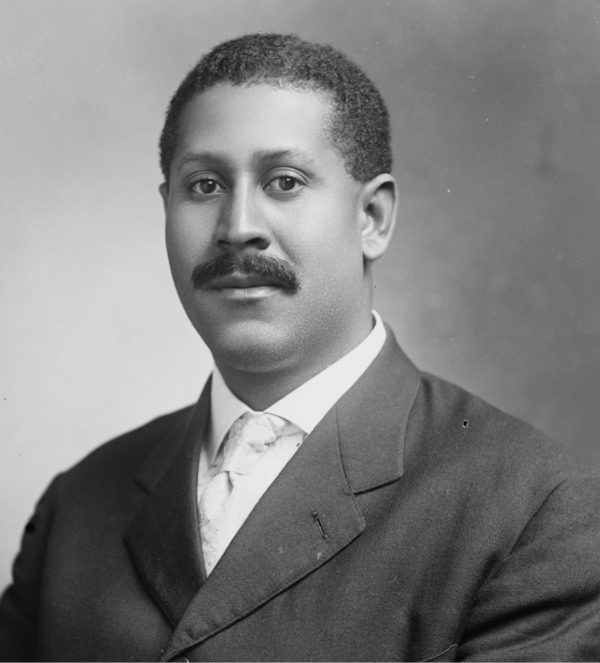
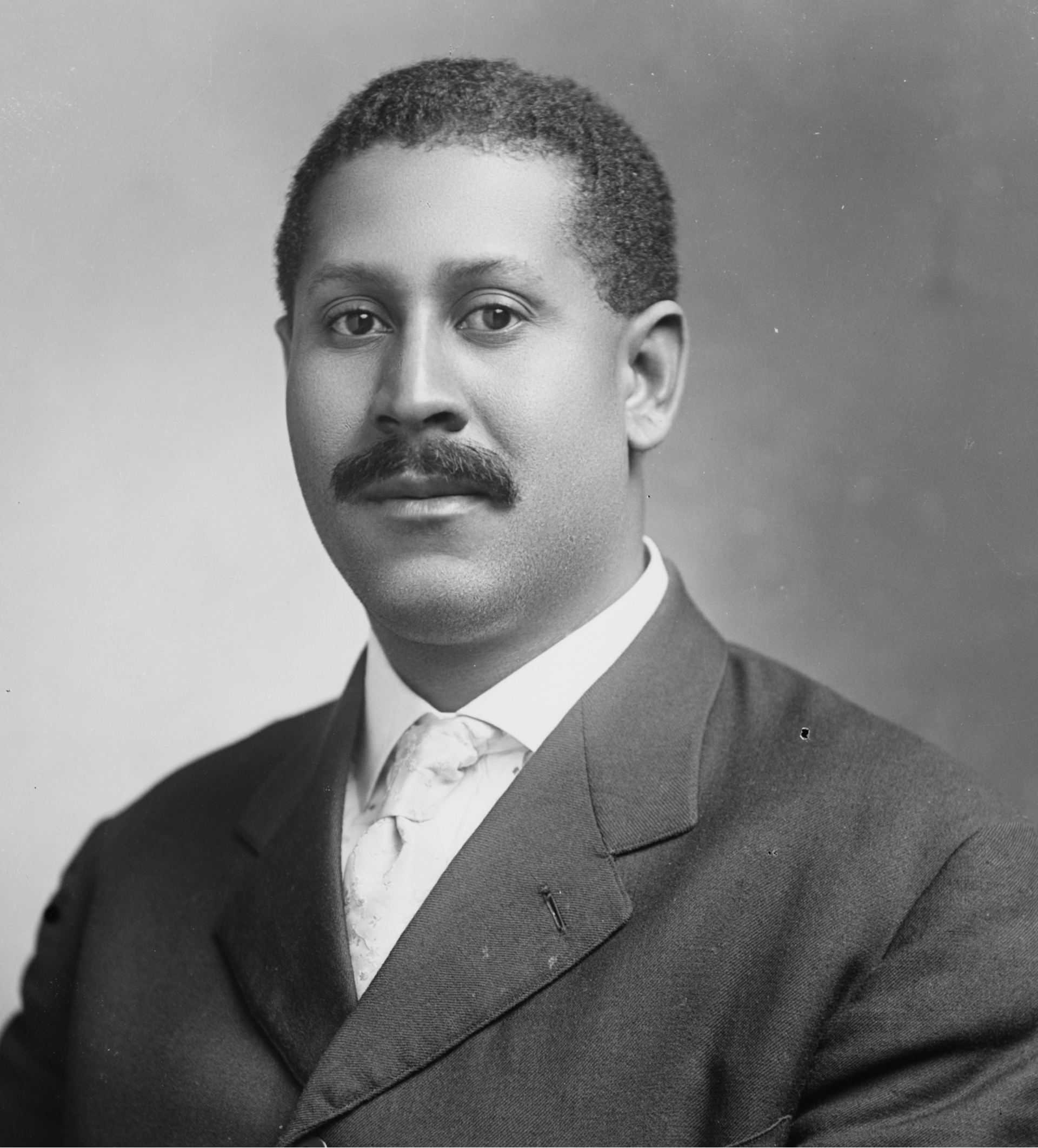
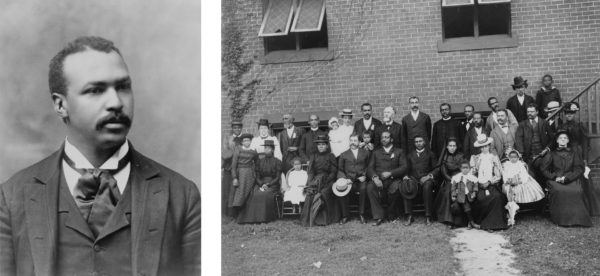
Black-owned newspapers grew out of Atlanta’s Black community. Perhaps the most famous was The Voice of the Negro, helmed by Jesse Max Barber (pictured here). By 1906, it was the most circulated Black periodical in the United States. The editor’s goals were for the magazine to cover “current and sociological history so accurately given and so vividly portrayed that it will become a kind of documentation for the coming generations.”
Atlanta was home to other Black-run newspapers, like The Colored Tribune, The Atlanta Independent, and The Atlanta World. These newspapers played a critical role in countering white press bias, reporting on racial violence, promoting local businesses, and political organizing.
Black Labor Organizing
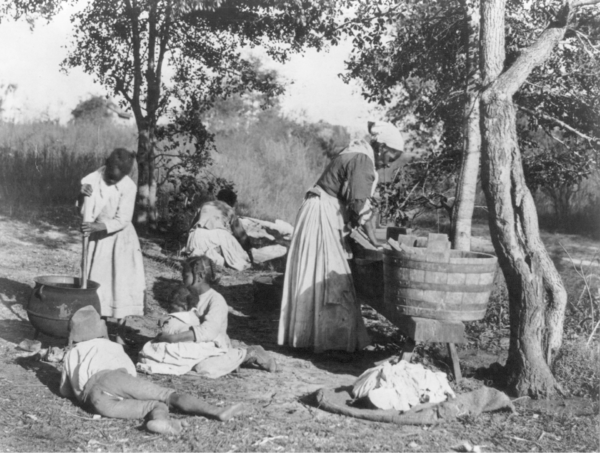
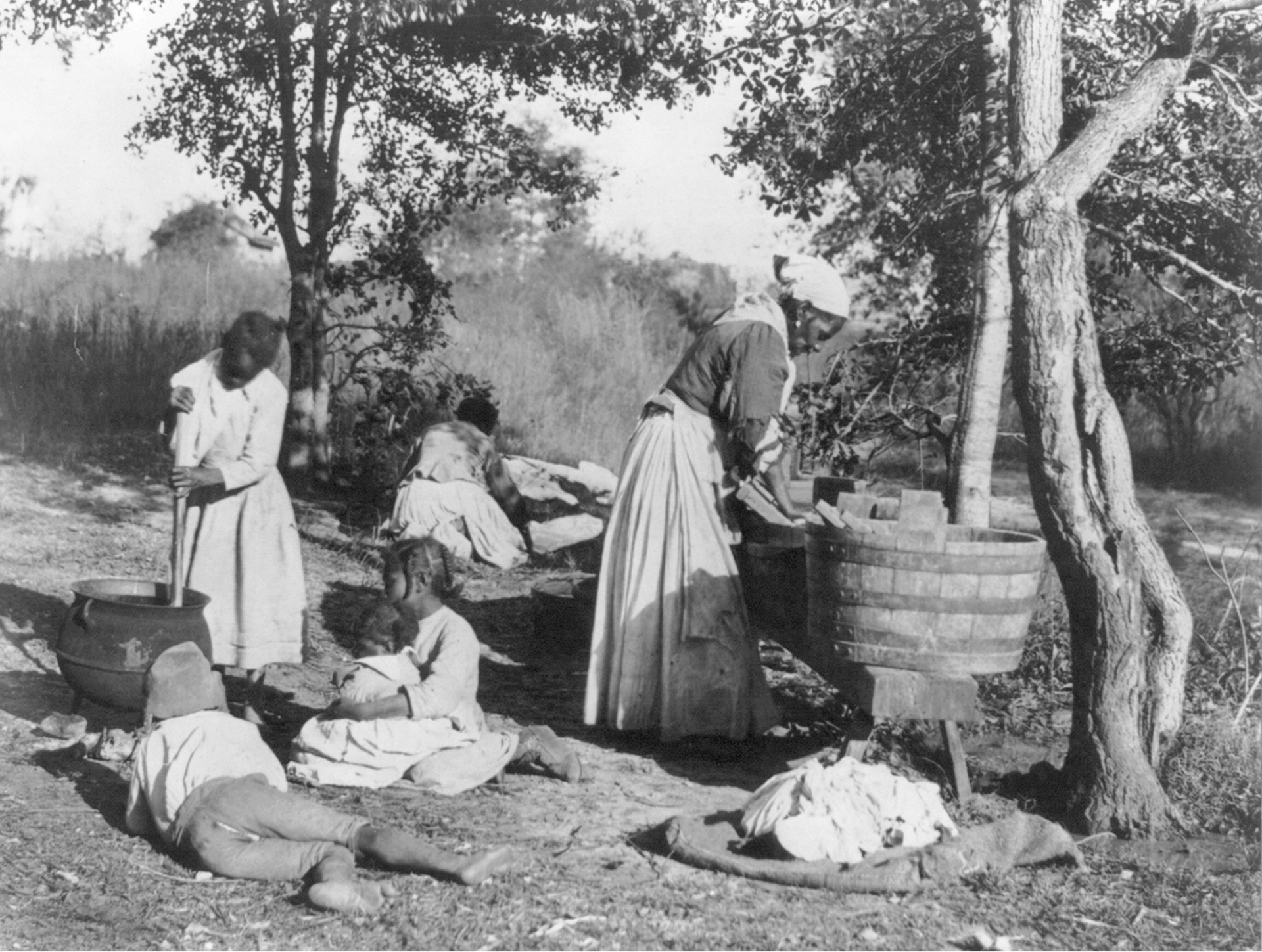
Nearly all of Atlanta’s working Black women were engaged in some sort of domestic labor. Washing clothes was one of the most physically demanding: hauling water, boiling huge kettles, scrubbing by hand. Despite the physical intensity of the work, these women’s wages rarely increased. With the city opening the International Cotton Exposition in October, the women saw an opportunity to go on strike.
In July of 1881 twenty washer women organized a union they dubbed “The Washing Society.” Over the next three weeks, their society grew from twenty members to 3,000. White Atlantans soon found themselves in the hottest part of the summer and without fresh laundry. Even the opposition newspapers had to admit the power the strikers held. Many strikers were arrested, fined, saw their rents suddenly go up, and were even sent to work on chain gangs if they couldn’t afford the fines they faced — but they didn’t back down. They ultimately settled on a deal with the city that saw them paying an annual licensing fee but holding more control over rates and working conditions.
"Atlanta is Swept by Raging Mob"
With a growing Black middle class, multiple Black men in elected office, and a significant Black male voting population, Atlanta stood as a symbol of the “New South.” The term captured the region’s ambition for economic and social progress after the devastation of the Civil War. To many white Georgians, this vision of the future was a threat to their way of life — and they fought to reverse it.
The tension came to a head in the 1906 Georgia governor’s race. Candidates Hoke Smith and Clark Howell both used their competing newspapers as platforms to stoke white fear, printing falsified reports of Black men assaulting white women.
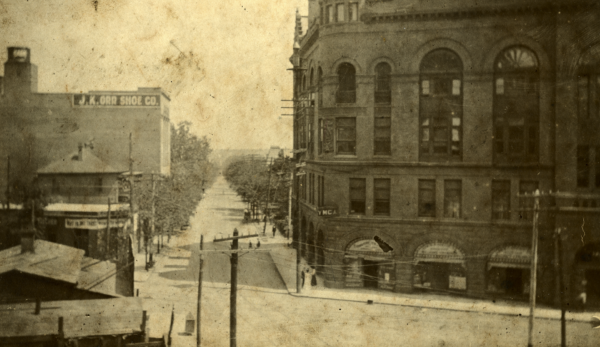
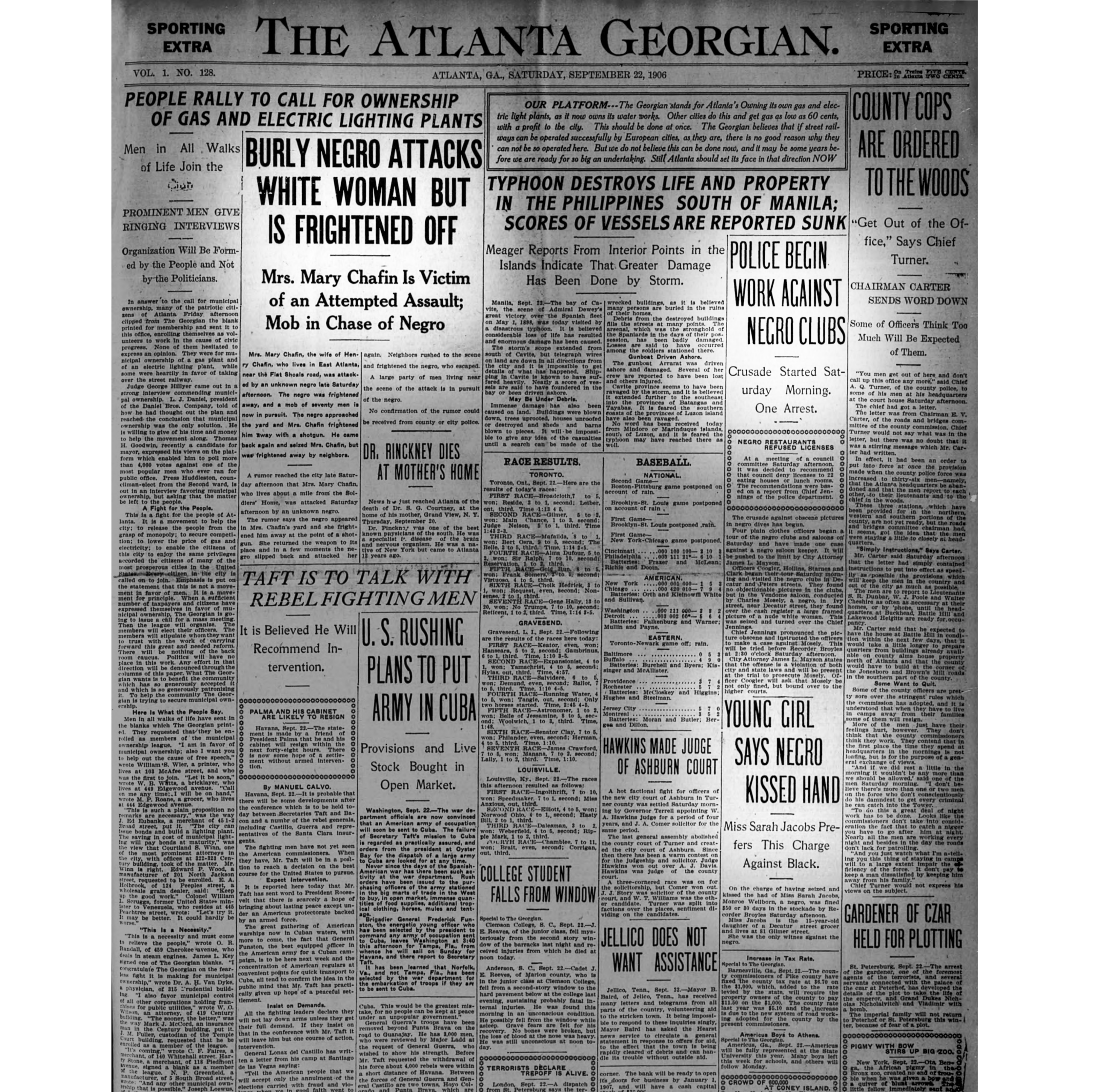
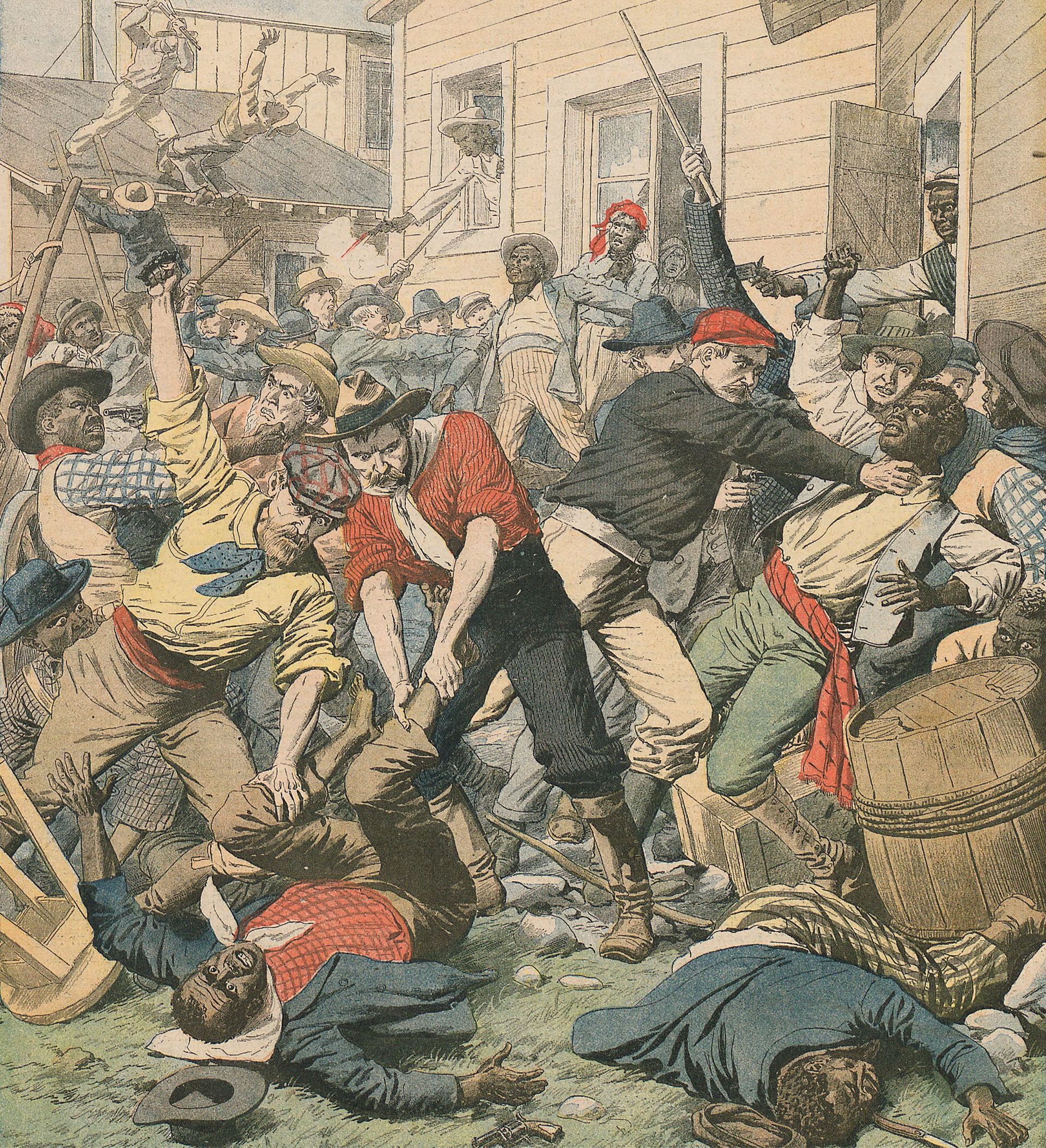
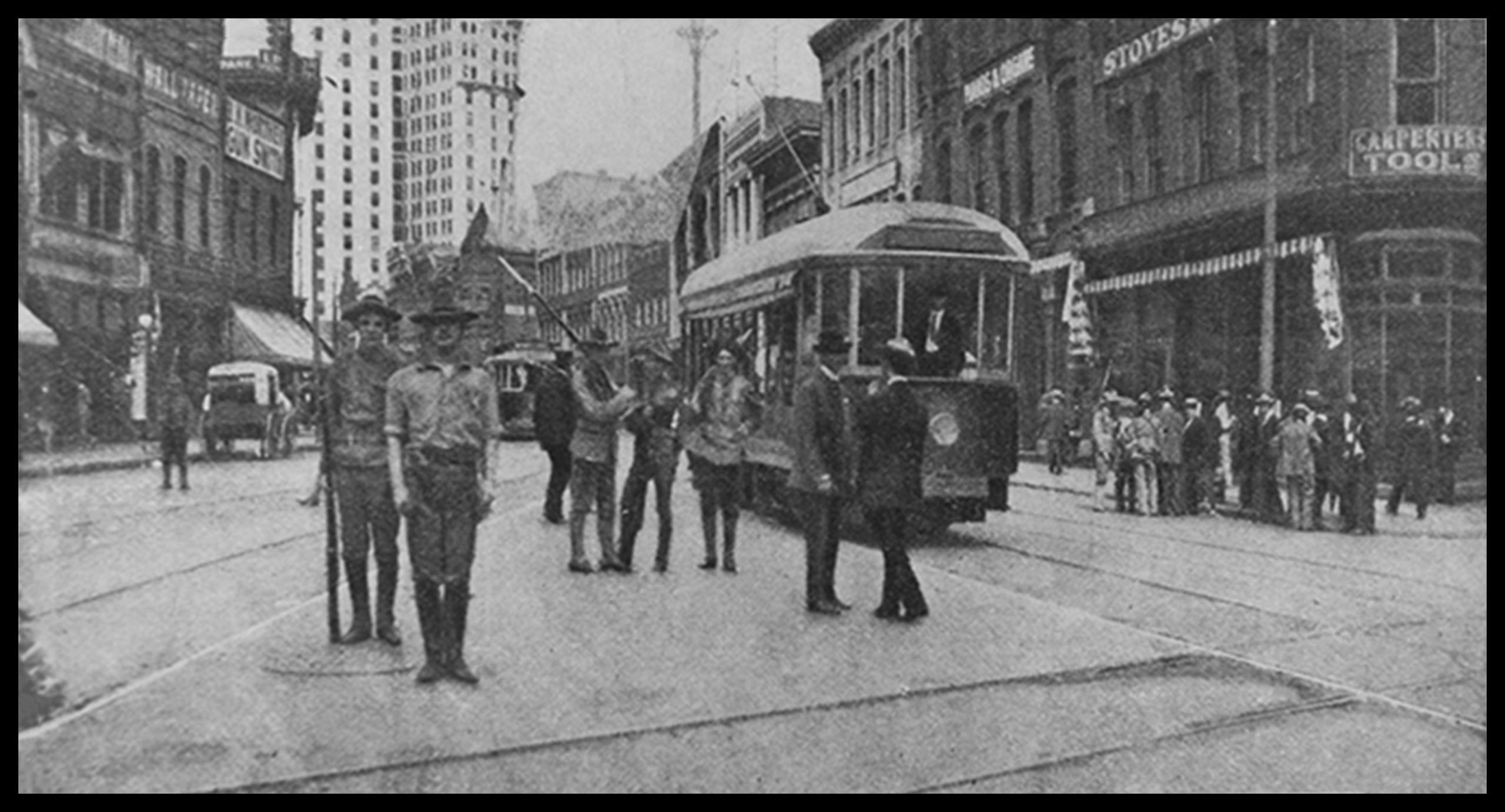
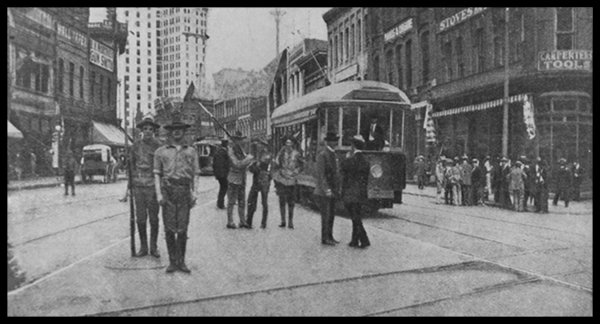
On the evening of September 22, 1906, white mobs gathered downtown. For four days, these vigilante gangs roamed the city killing any Black person they could find, pulling people off streetcars and out of their places of employment. The violence had spread around the city and into Black residential neighborhoods.
Two days into the massacre, the governor of Georgia deployed the state militia to restore order. The militia disproportionately disarmed Black citizens defending themselves over their attackers.
By September 26, 1906, federal troops and the National Guard had been deployed to Atlanta and the violence slowly de-escalated.
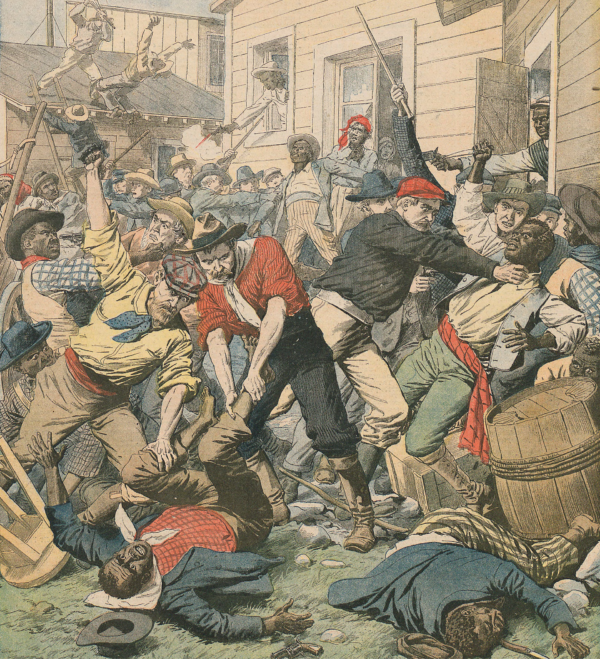
Over those four days, more than 10,000 white people destroyed hundreds of Black businesses, schools, churches, and homes. At least 25 Black people were killed, though some estimates suggest the death toll was much higher.
The violence of the 1906 Atlanta Race Massacre crushed Black political and economic progress once promised by Reconstruction. It left Black Atlanta citizens with deep psychological scars and a devastating choice between fleeing the city and trying to rebuild once more.
An Agonizing Decision
After the massacre, Black Atlantans had to choose whether to stay or to flee the city. Every person had their own reasons for making the choice they did. The city’s most prominent voices had to choose, too. Among them were Jesse Max Barber and Reverend Henry Proctor.
Barber, editor of The Voice of the Negro, chose to flee. After writing about the massacre in national newspapers under the pseudonym “A Colored Citizen,” he came under threat of arrest from the city’s police commissioner, Captain James English, Sr. For him, leaving the city and his home behind meant having the freedom to speak about what he had witnessed and how it had come to be. He fled to Chicago, taking his newspaper with him, though he closed the paper down the following year. The loss of the newspaper was a significant blow for Black Atlantans; it had been a crucial outlet for free speech and a space to follow the issues that meant most to them.
“I did not care to be made a slave on a Georgia chain gang and the only other alternative I had was to get out of Atlanta.“
– Jesse Max Barber, The Voice, November 1906
Proctor, by contrast, stayed and sought compromise. He prescribed to Booker T. Washington’s philosophy, arguing that accommodation and restraint were the best response to racial violence. Proctor’s work centered on cooperative organizing and civic participation through groups like the Colored Cooperative Civic League. This approach emphasized respectability, dialogue, and cooperation across racial lines. Proctor and those aligned with him sought to prevent the massacre from defining Atlanta’s public image, striving to show white residents and the broader public that the city remained stable, orderly, and open for business.
“Let the colored people stop talking about leaving the city. This is our home and our white neighbors want us to stay here & prosper. Why not settle down to business…?“
– Rev. Henry Hugh Proctor, The Independent, September 29, 1906
In the decades after the massacre, Atlanta’s racial lines hardened into stricter segregation. For Black residents, there was persistent pressure to resist resistance—to not push back or speak up but instead to avert violence by presenting as agreeable. Following the example of Proctor and others, they toed the line and established a fragile equilibrium in the name of stability and growth. Atlanta came to be known as “the City Too Busy to Hate,” a reputation built not on the absence of racial conflict, but on the careful management of it.
The Atlanta Way
From the 1920s through the 1960s, Black Atlanta leaders continued to prioritize economic growth over confrontations about social progress. This approach of working within the segregated political climate to gain power and influence became known as “the Atlanta Way.”
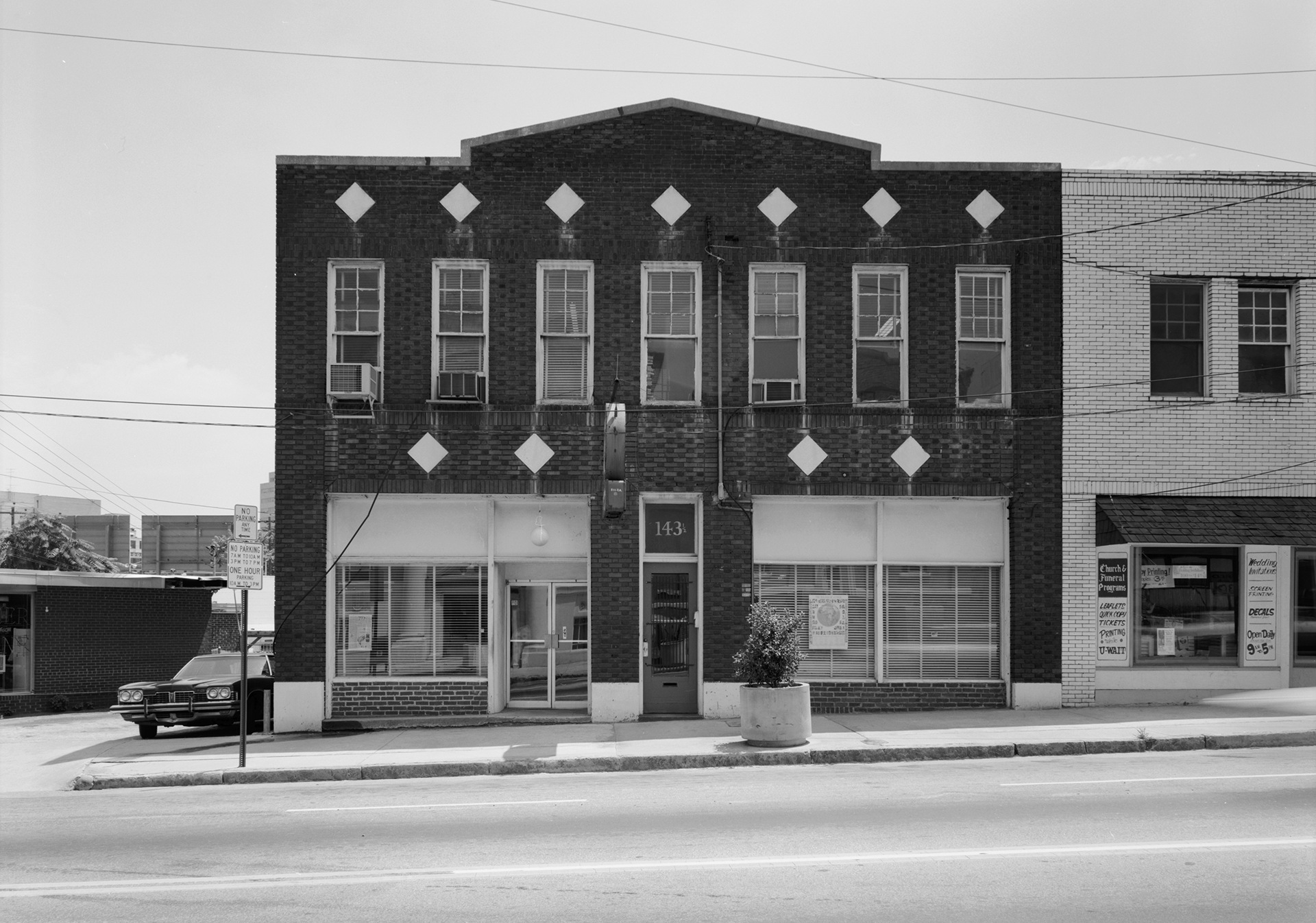
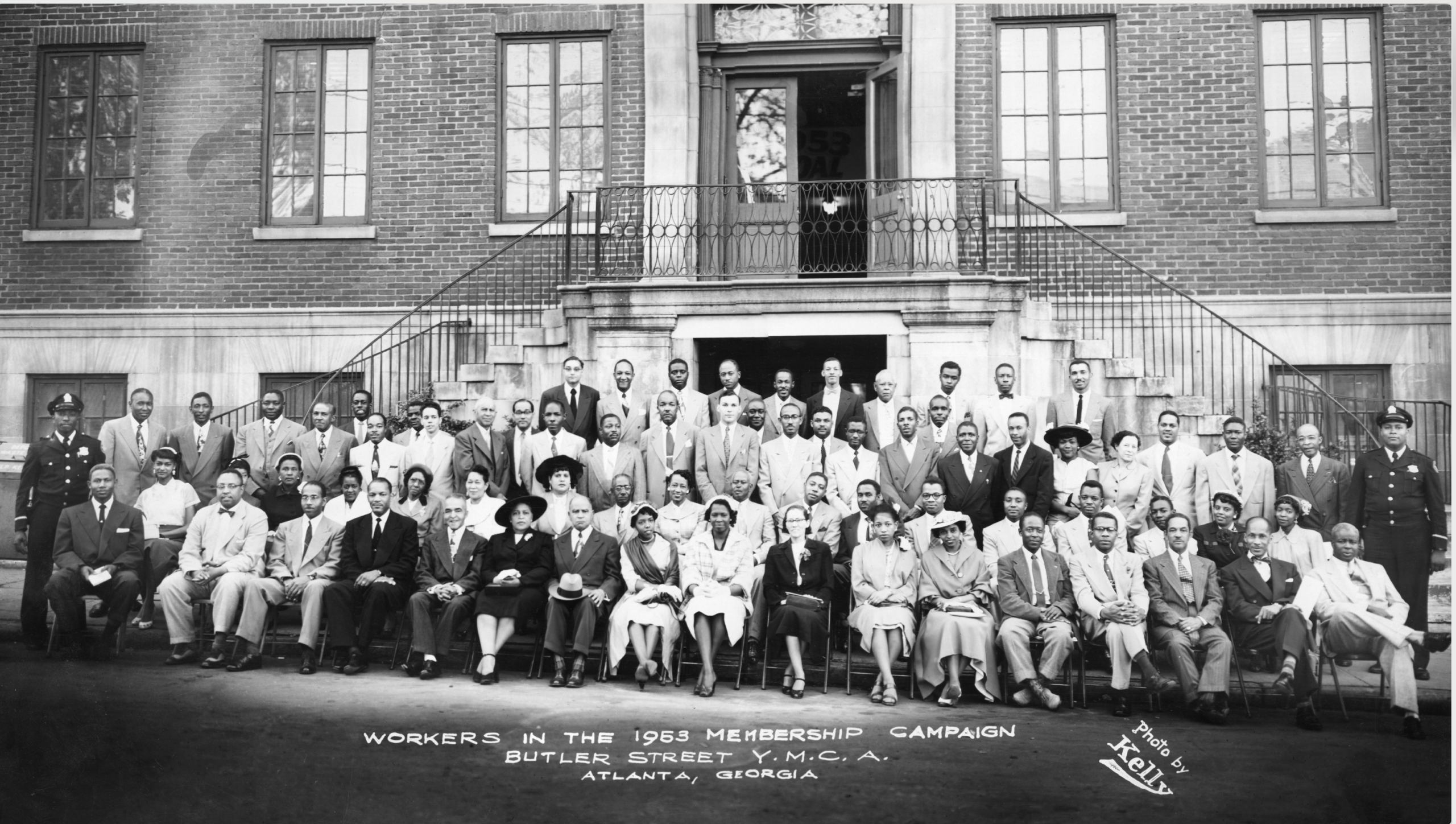
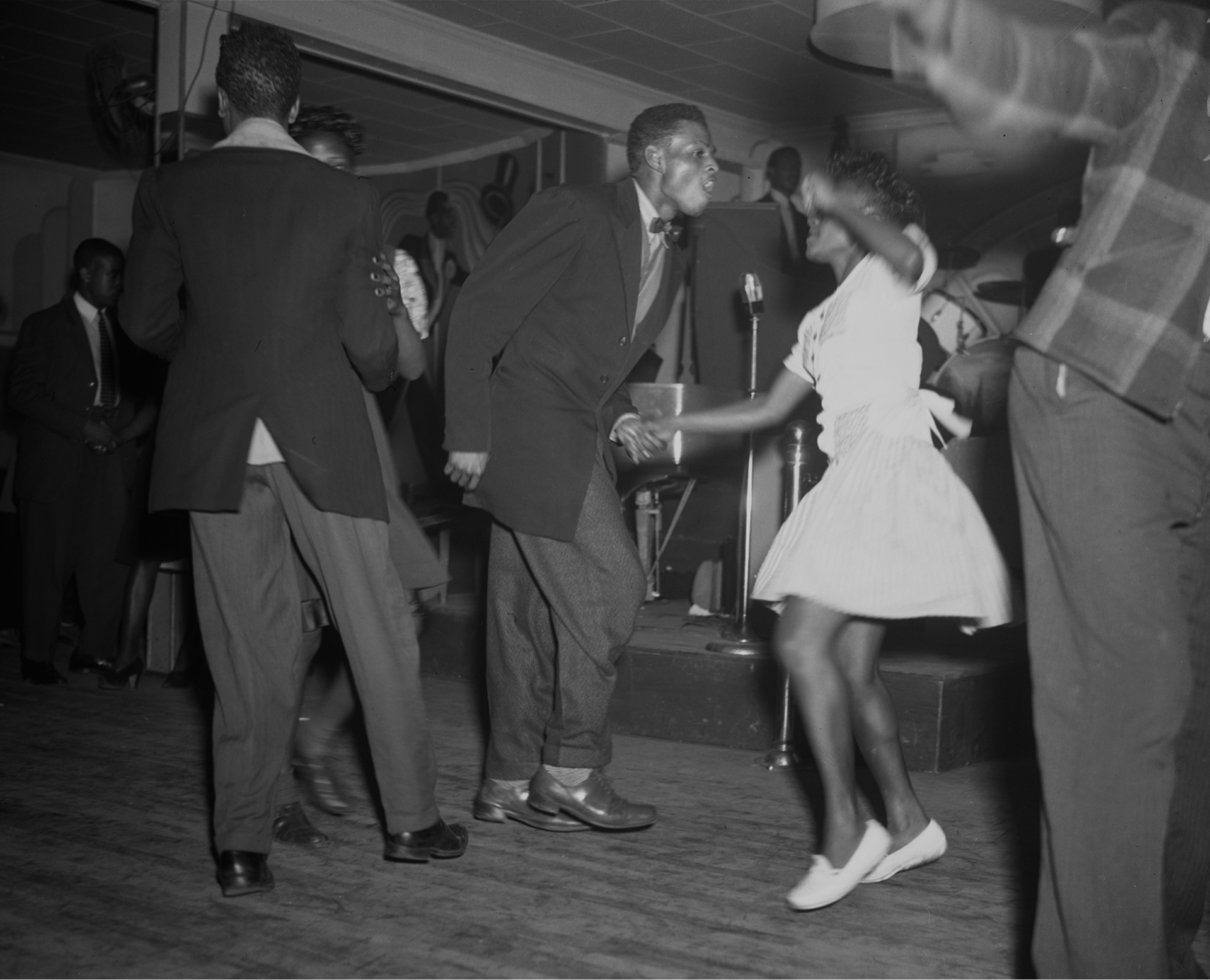
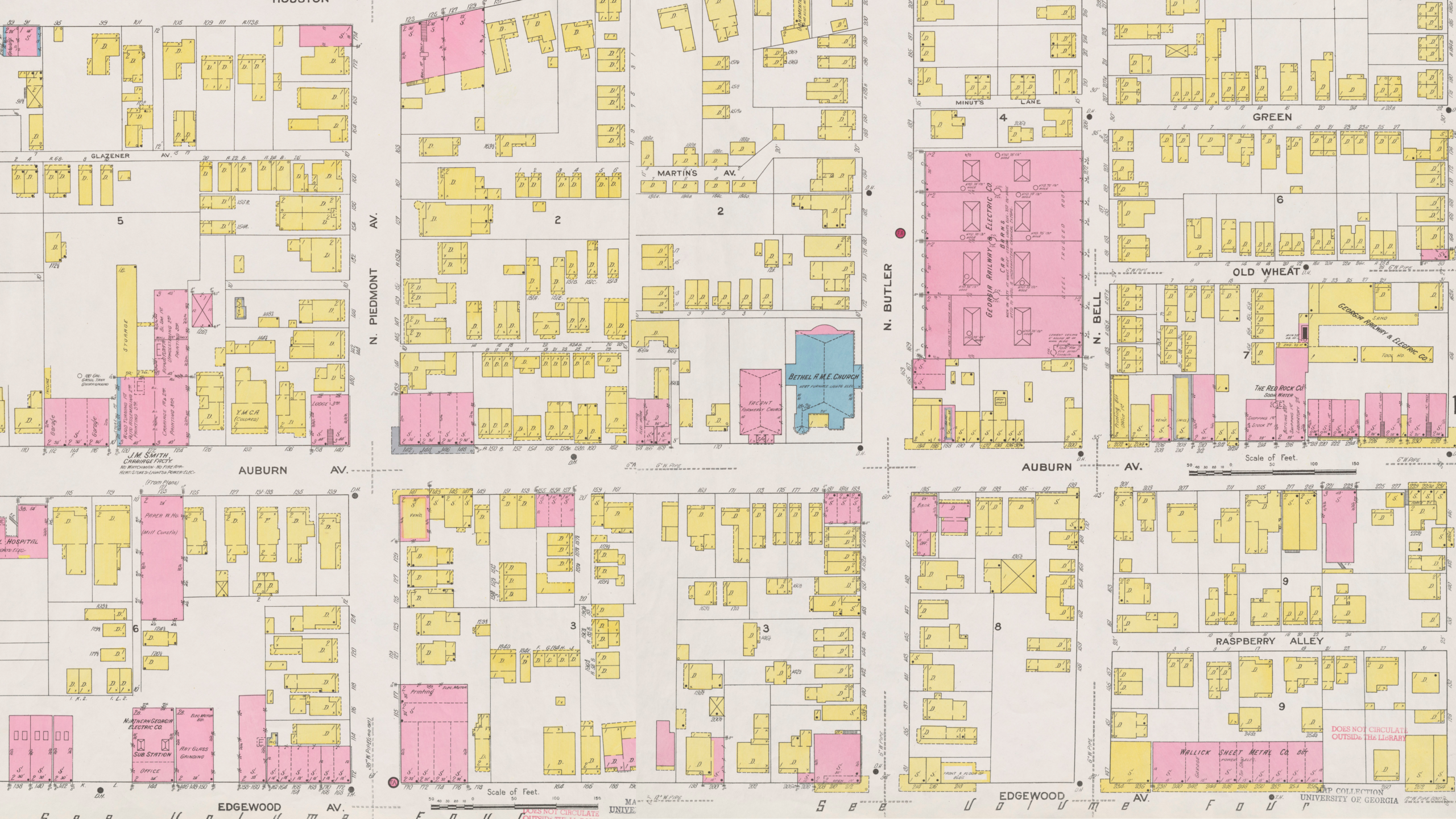
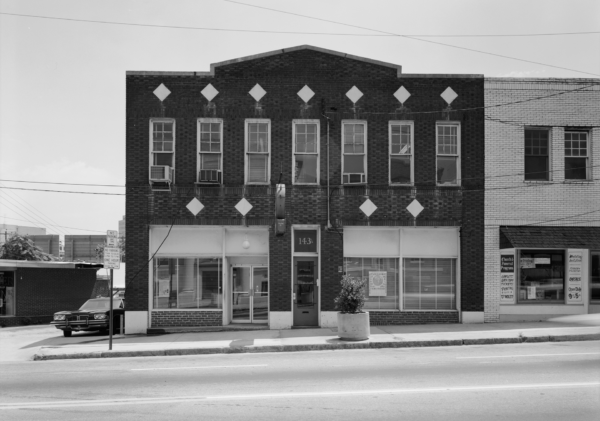
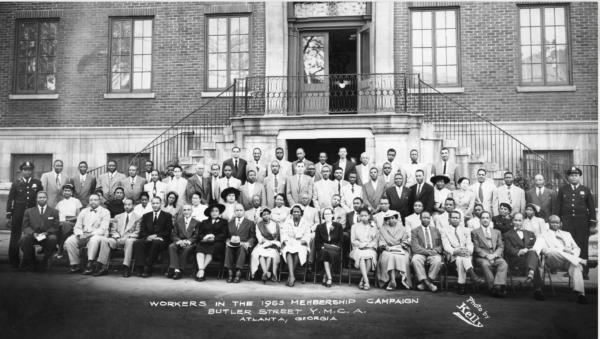
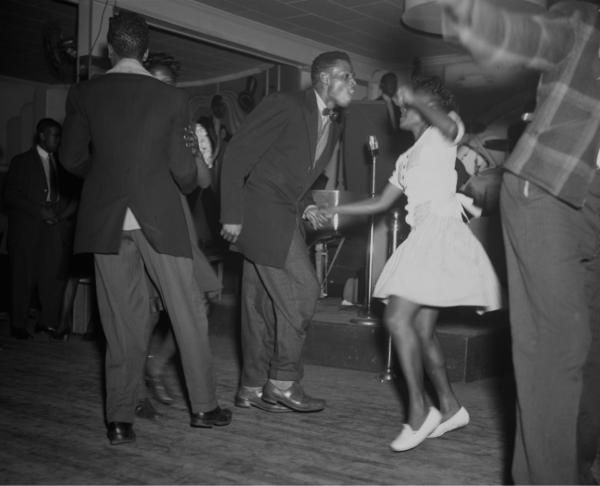
In the years after the massacre, many Black-owned businesses relocated from the integrated business district of downtown Atlanta to majority-Black neighborhoods like Summerhill, West End, Vine City, and Auburn Avenue. “Sweet Auburn,” as Auburn Avenue became known, was central to the culture and economy of Atlanta’s Black citizens. Called the “richest Negro street in the world” by local political leader John Wesley Dobbs, it was the hub of business and social institutions, from banks and insurance companies to churches and community centers.
Rebuilding Around Auburn Ave
Tension Building Toward Change
“The Atlanta Way” describes a strategy that works well for middle class and wealthy citizens—those who profit alongside white residents by keeping peace in the face of injustice. The daily reality of Black Atlantans living in poverty, however, was different. This created tension in the Black community of Atlanta.
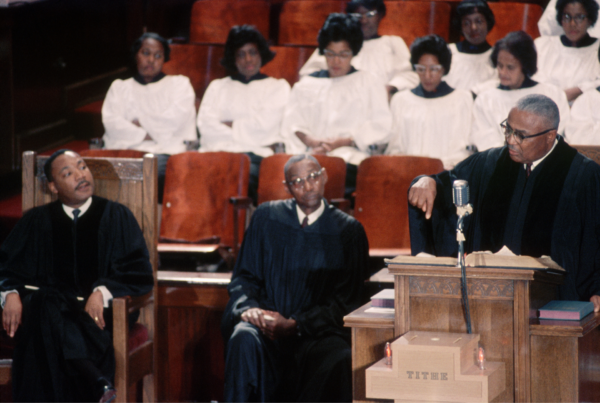
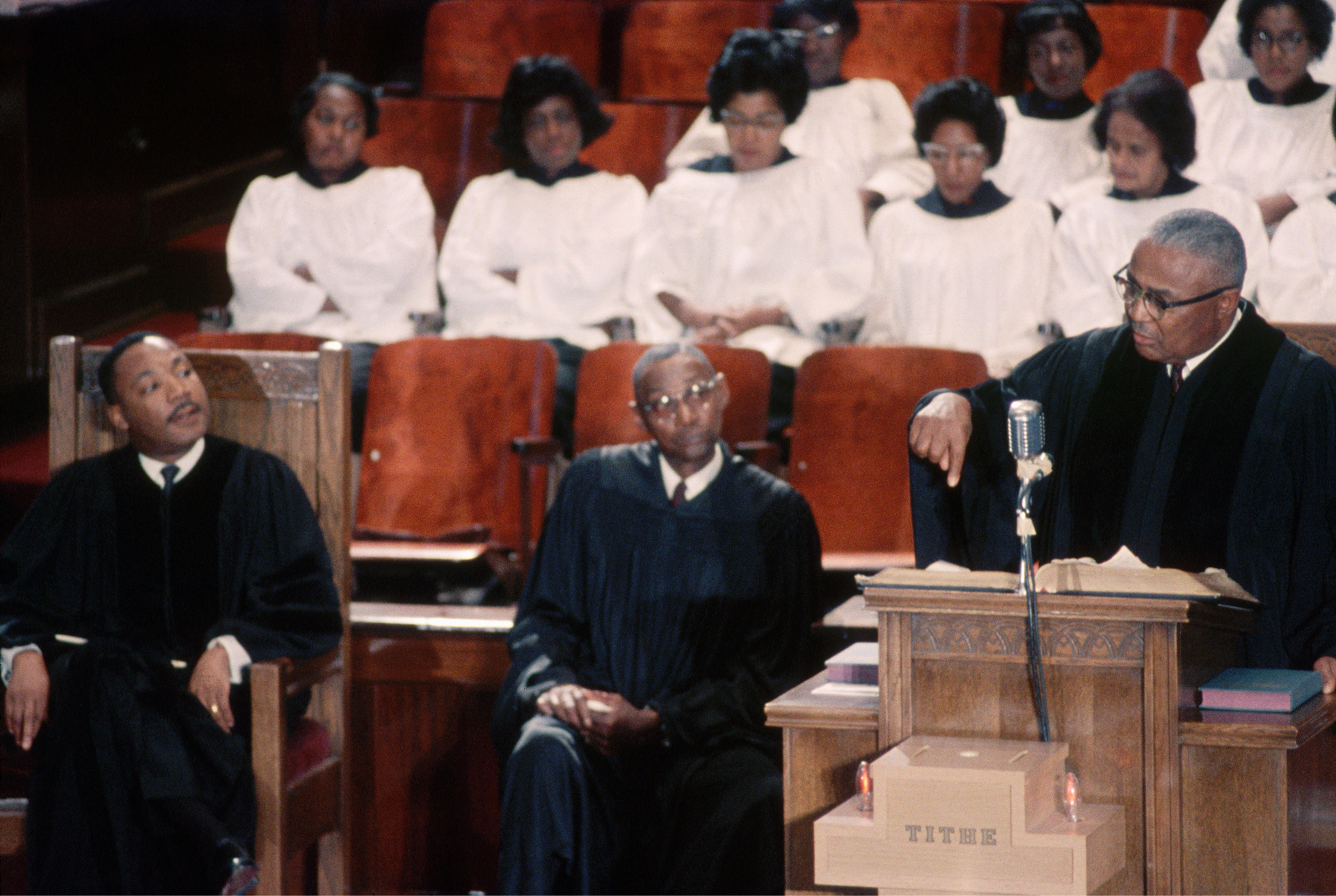
The institutions that thrived along Auburn Avenue, sustained as they were by the Atlanta Way, became central to the lives of many Black Atlantans, middle and working class alike. They provided space for this tension to mount into calls for change that grew louder and louder. Churches, in particular, became fertile ground for political action—and a key organizational base for what would become the Civil Rights Movement.
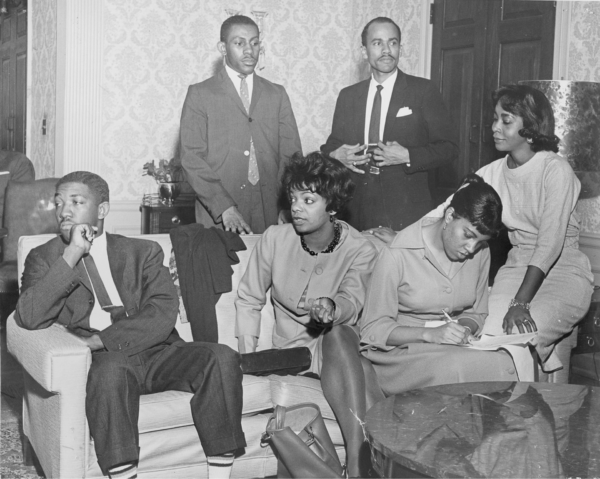
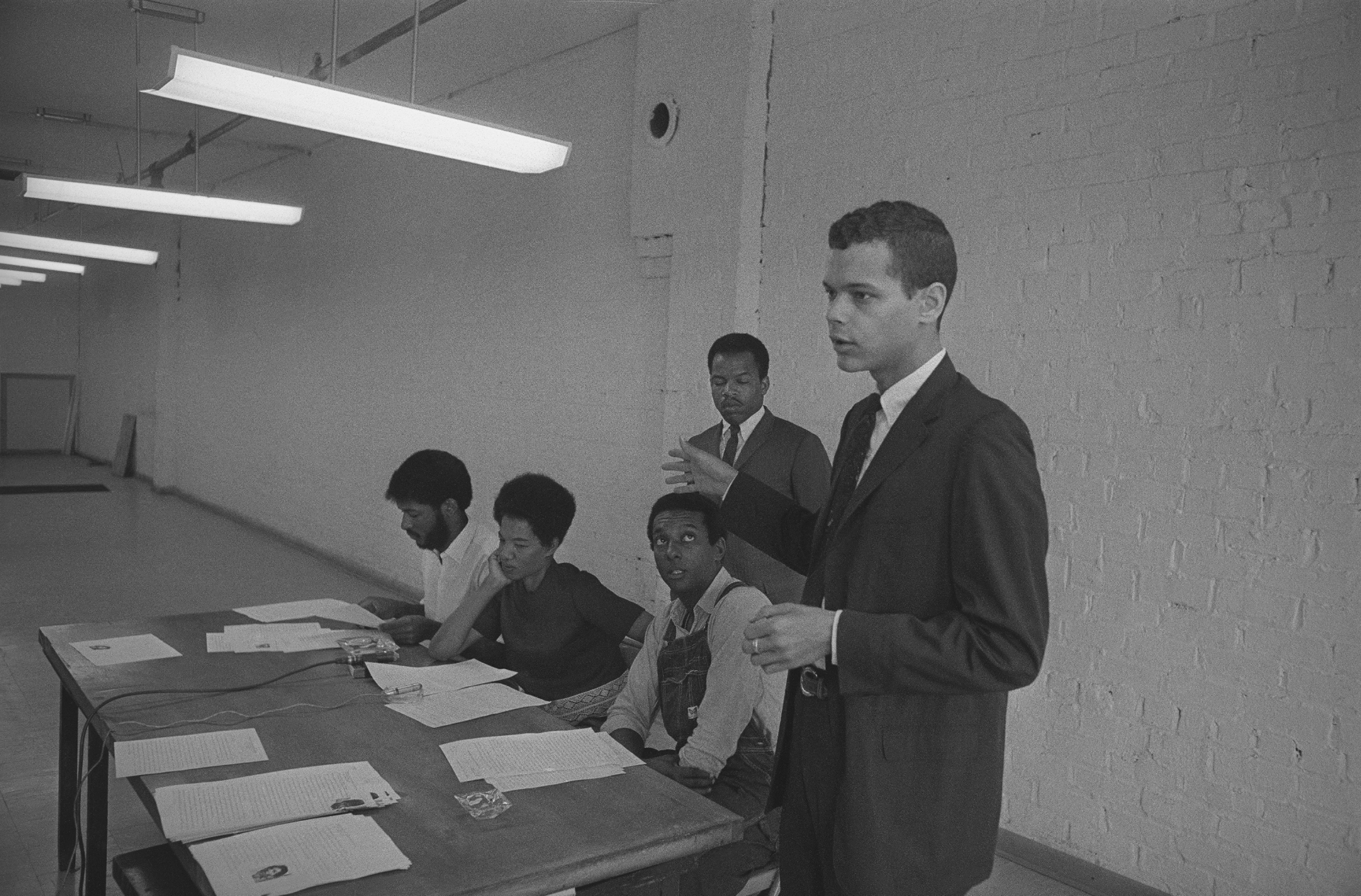
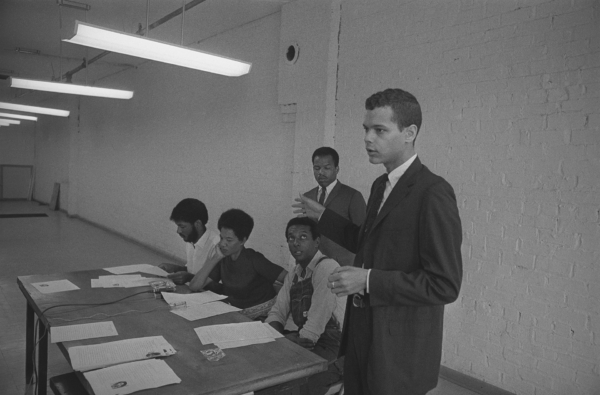
By the early 1960s, both the Southern Christian Leadership Conference (SCLC) and the Student Nonviolent Coordinating Committee (SNCC) were headquartered in Sweet Auburn. With its mix of political organizations, Black-owned restaurants, hotels, and entertainment venues, Atlanta offered a unique launch pad for the Civil Rights Movement. From the hate of the 1906 massacre had grown a haven where the nation’s most ambitious seekers of liberation could rest, dream, and plan their next moves.
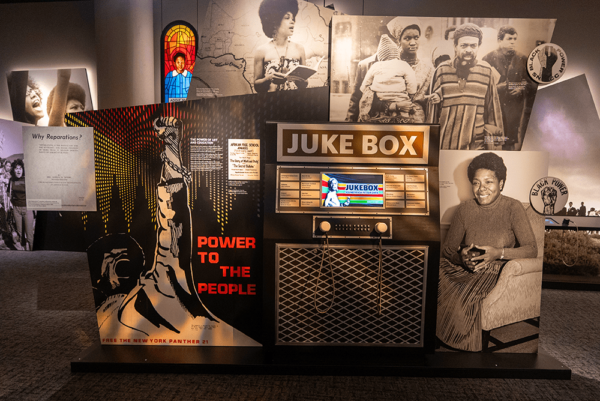
Onsite Galleries
Step into the Story
Continue your exploration at the Center, with immersive galleries spanning civil rights history and the future of human rights.
-
-
-
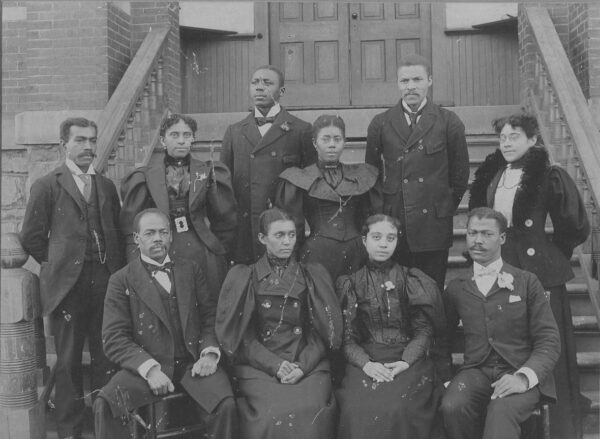
Interacting with Personal Stories and Firsthand Narratives
This lesson engages students with personal stories and firsthand narratives to foster empathy and a deeper understanding of the historical events of the 1906 Atlanta Race Massacre through primary sources.
-