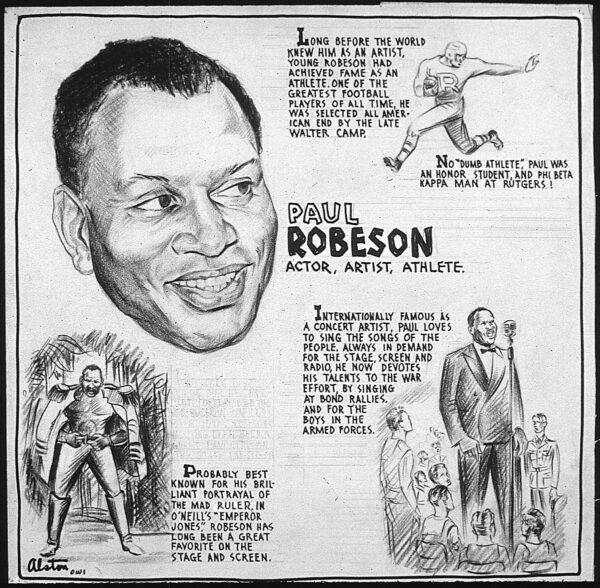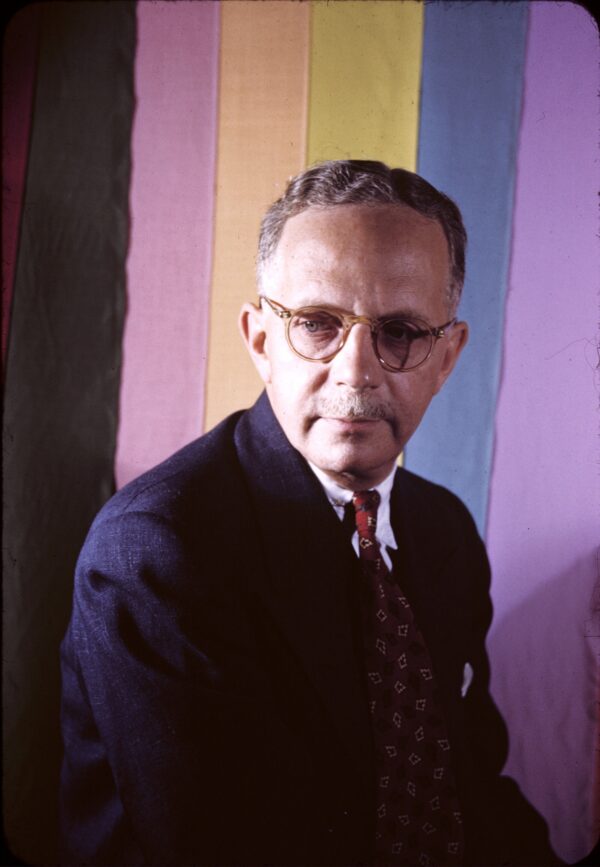
Walter White: Advocate in Changing Times
This lesson explores the complexity of former NAACP president Walter White’s public views during the Cold War Era and reveals some of the divisions within the civil rights movement as McCarthyism intensified.
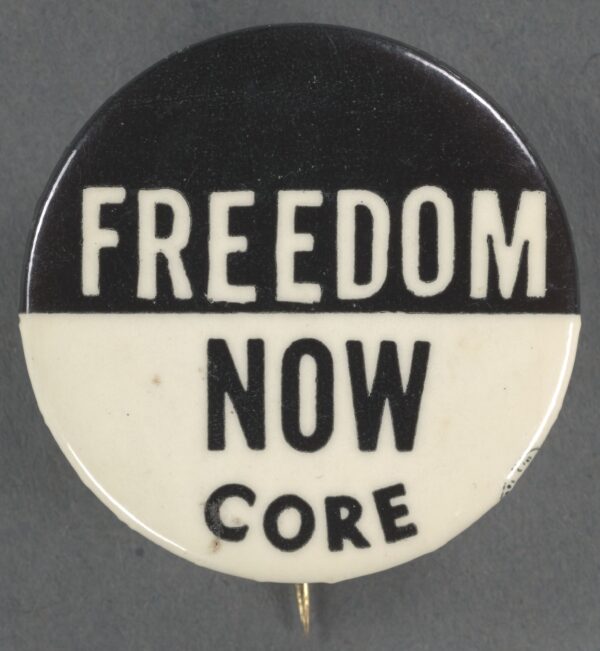
The Congress of Racial Equality (CORE) was a prominent civil rights organization founded in 1942. It played a significant role in the American civil rights movement, employing nonviolent direct action to address racial discrimination. Initially focusing on addressing segregation in public facilities, CORE later expanded its scope to combat other forms of inequality. One of its most notable achievements was organizing the Freedom Rides in 1961, which aimed to challenge segregated interstate transportation. Through its impactful activism, the Congress of Racial Equality left a lasting imprint on the fight for racial equality in the United States.
Featured in
This lesson explores the complexity of former NAACP president Walter White’s public views during the Cold War Era and reveals some of the divisions within the civil rights movement as McCarthyism intensified.

Learn how students were the driving force behind much of the Civil Rights Movement of the 1960s through music, interviews, and more.
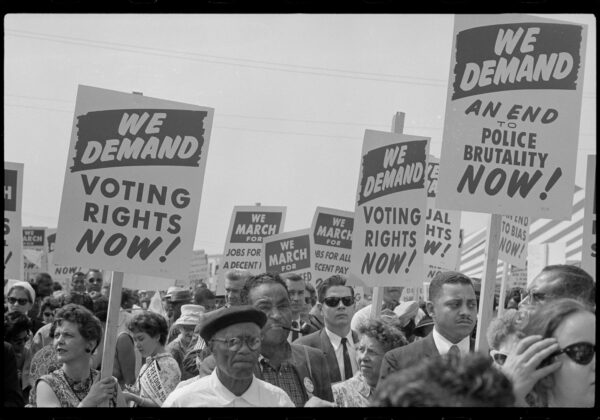
In this lesson, students will take a deep dive into the motivations of Americans who participate in non-violent protests throughout history.