Timeline Events
-
1916-1970
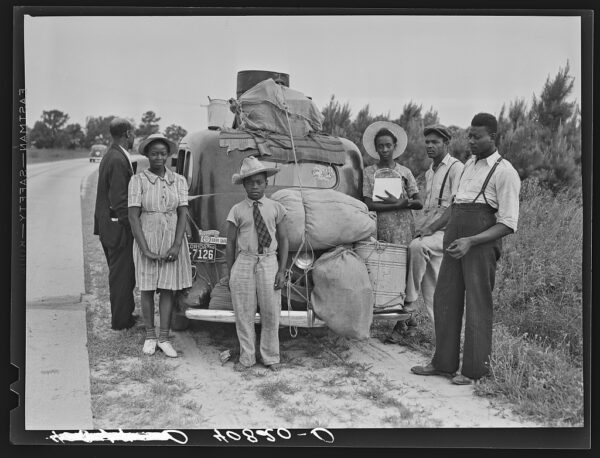
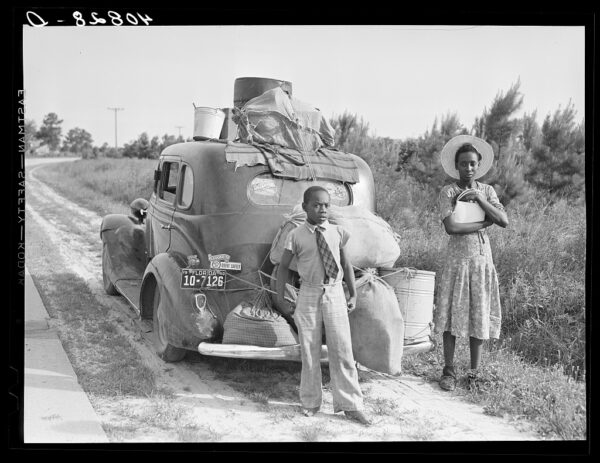
Great Migration
The Great Migration was a period between 1916 and 1970 when millions of African Americans moved from the rural South to urban areas in the North and West of the United States. This migration was driven by the search for better economic opportunities and escape from racial segregation and violence in the South. It significantly reshaped American cities and contributed to the growth of African American culture and political power.
-
April 6, 1917
United States enters World War I
This created a demand for industrial labor in the North due to the departure of white workers for military service. This labor shortage created employment opportunities for African Americans in northern cities, leading to an initial increase in migration.
-
Summer, 1919
Red Summer
Fueled by post-World War I social tensions, economic competition, and white supremacist backlash against African American progress, a wave of intense racial violence and lynching swept across the United States during the summer and fall of 1919. Black communities faced brutal attacks from white mobs in over three dozen cities and towns.
-
July 28, 1919
The National Association for the Advancement of Colored People (NAACP)
The National Association for the Advancement of Colored People (NAACP) launches its first national anti-lynching campaign.
-
May 26,1924
The Immigration Act of 1924
The Immigration Act of 1924 limited the number of immigrants allowed entry into the United States through a national origin quota. The quota provided immigration visas to two percent of the total number of people of each nationality in the United States as of the 1890 national census. It completely excluded immigrants from Asia.
-
1939-1945
World War II
World War II was a global conflict from 1939 to 1945 in which the United States played a major role after joining the war in 1941 following the Japanese attack on Pearl Harbor. The U.S. contributed significantly to the defeat of the Axis powers through extensive military campaigns in both the European and Pacific theaters, and its economic and industrial support was crucial for the Allied victory. The war concluded with the U.S. emerging as a leading global superpower and playing a key role in shaping the post-war international order.
-
1941-1970
Second Great Migration
The Second Great Migration refers to the movement of approximately five million African Americans from the rural South to northern and western cities between 1941 and 1970. This migration was largely driven by the search for better job opportunities, particularly in the industrial sector, and the desire to escape the entrenched racial discrimination of the South. It led to significant demographic shifts and had a major impact on urban culture and civil rights activism in the United States.
Featured in