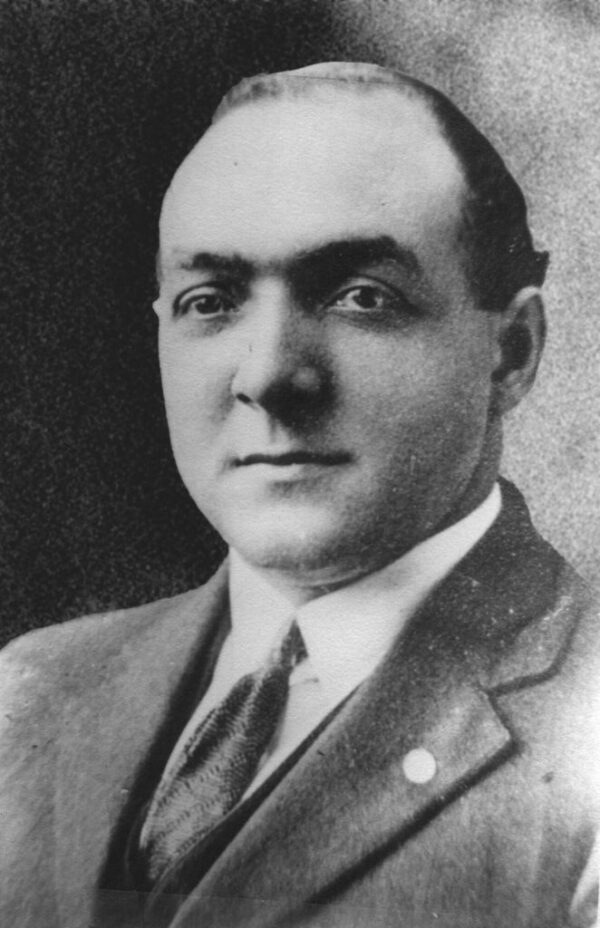
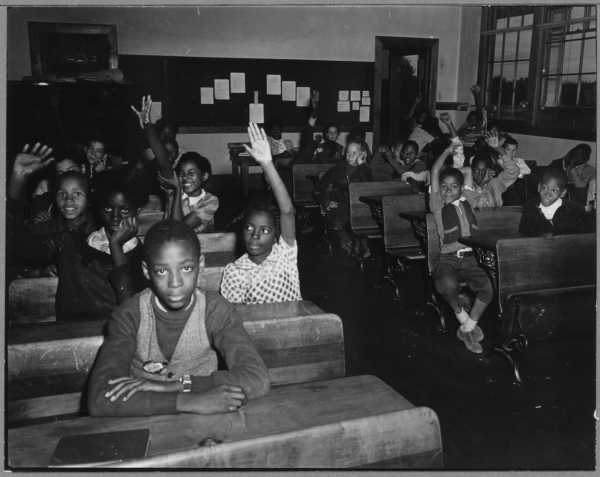
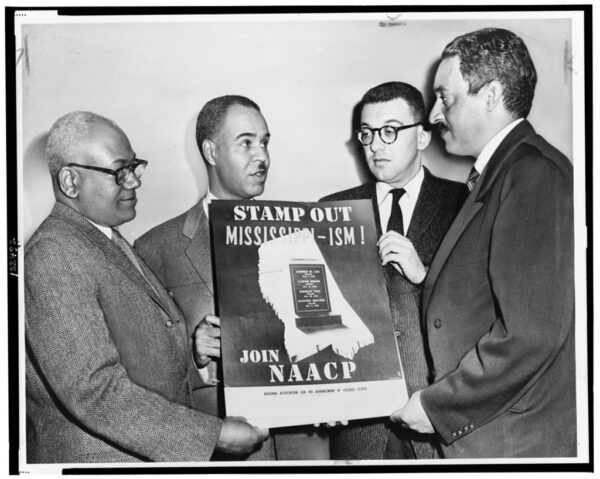
McKinley Langford Burnett was a steadfast civil rights leader whose determination helped lay the groundwork for the landmark Brown v. Board of Education of Topeka decision. Raised in integrated Oskaloosa, Kansas, he developed a lifelong intolerance for segregation and carried that conviction into his work after moving to Topeka, where he and his wife, Lena, raised five children. As president of the Topeka NAACP from 1948 to 1963, Burnett relentlessly pressed for the integration of public schools—attending every school board meeting for two years, presenting a petition of 1,500 signatures, and, when those efforts failed, leading the chapter to file the lawsuit that would change American history. Even while battling leukemia, he organized plaintiffs, strategized with attorneys, and attended court hearings all the way to the U.S. Supreme Court, where the Topeka case became the lead in the consolidated Brown decision. A devoted church member and caregiver to numerous foster children, Burnett left a legacy of courage, vision, and unwavering commitment to equality.