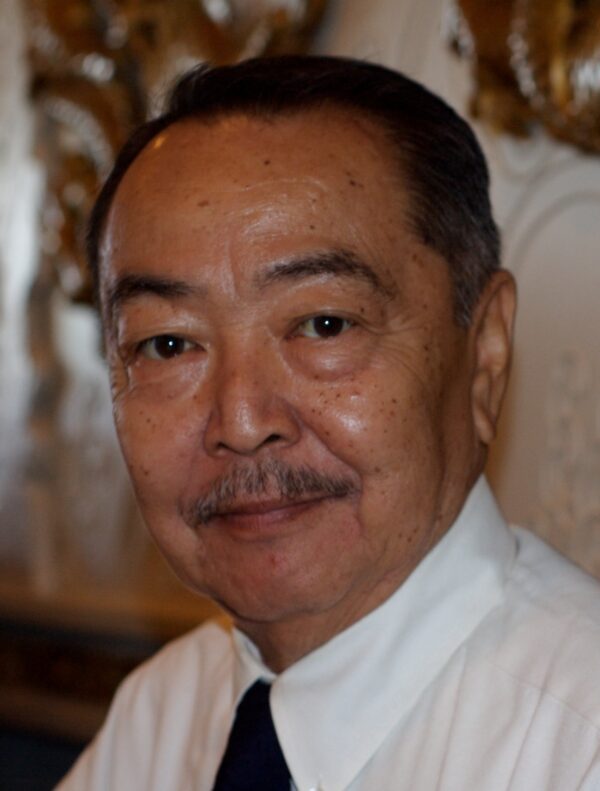
Richard Aoki was a Japanese American activist and educator who played a significant role in the civil rights movement of the 1960s. Born in 1938 in San Leandro, California, Aoki spent his early childhood in a World War II internment camp for Japanese Americans. This experience shaped his views on social justice and equality, leading him to become involved in various activist movements later in life. After serving in the U.S. Army, Aoki attended college and became deeply involved in political activism, particularly with the Black Panther Party.
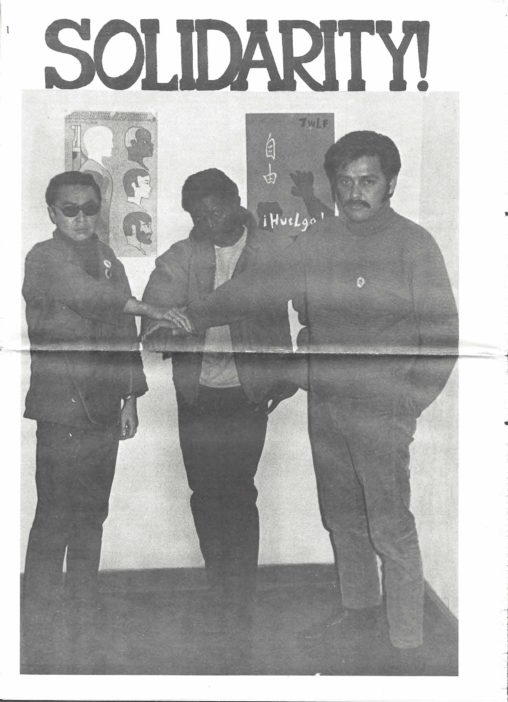
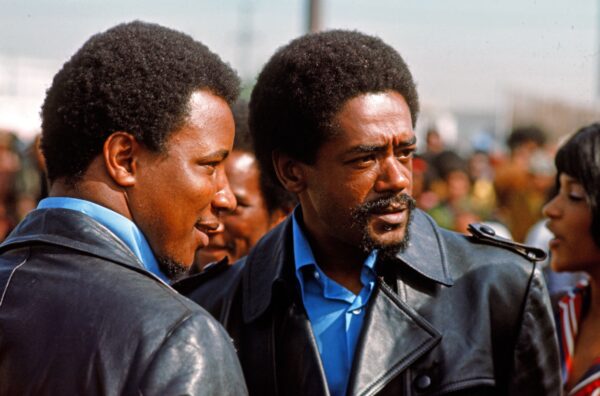
Aoki is best known for his involvement with the Black Panther Party, where he served as a Field Marshal and was one of the few non-Black members in a leadership position. He played a crucial role in the party’s early development, helping to draft their Ten-Point Program and reportedly providing them with their first firearms. Aoki’s contributions to the Black Panther Party and his unique position as an Asian American in a predominantly African American organization made him a notable figure in the civil rights movement of the 1960s and 1970s.
However, Aoki’s legacy has become controversial in more recent years. In 2012, several years after his death in 2009, allegations surfaced that Aoki had been an FBI informant during his time with the Black Panther Party. These claims, based on FBI documents and interviews, have sparked debate about Aoki’s true role in the movement and his motivations. While some defend Aoki’s contributions to social justice causes, others question the impact of his alleged involvement with the FBI on the civil rights movement. This controversy has led to ongoing discussions about the complexities of activism, loyalty, and the government’s role in monitoring civil rights organizations during this tumultuous period in American history.