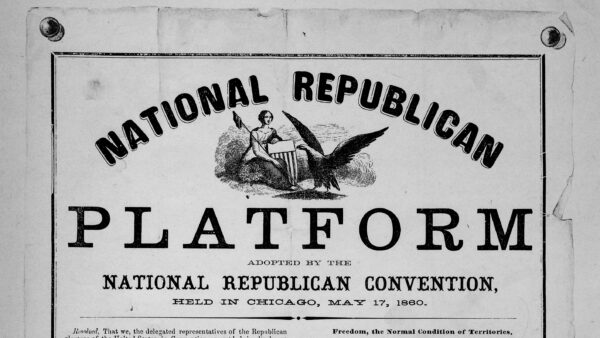
The Republican Party, established in the 1850s, emerged as a major political force in response to the intensifying debates over slavery in the United States. Rooted in anti-slavery sentiments and a commitment to free labor, the party attracted a coalition of former Whigs, abolitionists, Free Soilers, and anti-slavery Democrats. The first Republican presidential candidate, John C. Frémont, ran in 1856, and the party gained prominence with the election of Abraham Lincoln in 1860. Lincoln’s presidency, marked by the Civil War and the Emancipation Proclamation, solidified the Republican Party as the party of the Union and emancipation.
Throughout its history, the Republican Party has been associated with various ideological shifts, including the Progressive Era under Theodore Roosevelt, conservative principles during the late 20th century, and a focus on limited government and free-market policies. Notable Republican achievements include the passage of the Civil Rights Act of 1964, the promotion of conservative economic policies, and the emphasis on a strong national defense. The party has faced internal divisions over issues such as social conservatism, immigration, and trade policies. Today, the Republican Party remains a key player in American politics, representing a diverse coalition with a range of ideological perspectives.