A Commitment to Memory: Remembering the People and Events of 1906
This lesson allows students to explore why it is important to commemorate historical events and creatively develop ways to memorialize the 1906 Atlanta Race Massacre.
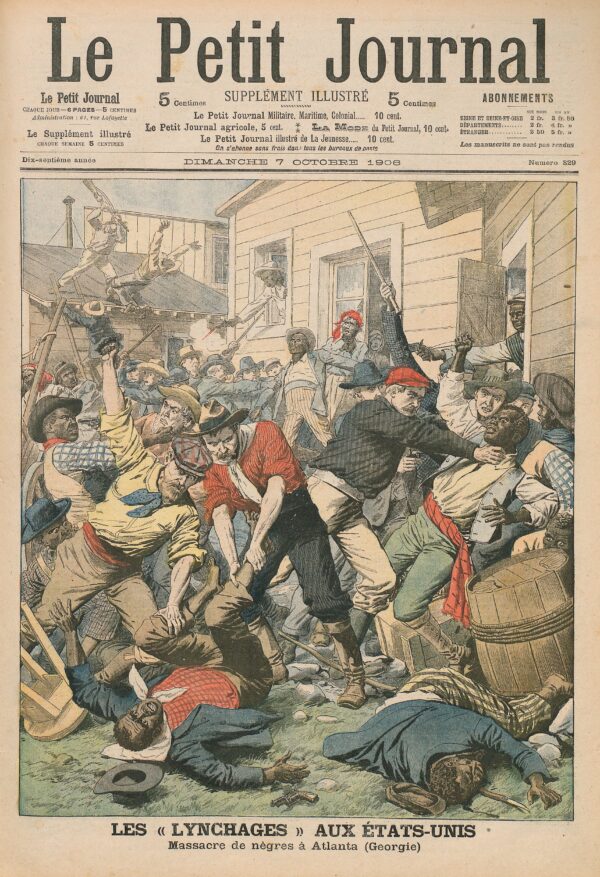
The 1906 Atlanta Race Massacre stands as a pivotal moment in American history, emblematic of the deep-rooted racial tensions and the struggle for civil rights that have shaped the nation. Occurring over several days in September 1906, this tragic event was sparked by sensationalized and false reports of Black men assaulting white women published in the Atlanta newspapers. These reports played on the fears and prejudices of the white population, leading to a mob of several thousand white men forming and attacking Black people in the streets of Atlanta, Georgia.
The violence began on the evening of September 22, 1906, and lasted for about four days. White mobs, fueled by inflammatory newspaper articles and rumors, rampaged through Black neighborhoods, destroying properties and businesses and assaulting anyone in their path. The exact number of casualties remains disputed, with estimates of African American deaths ranging from 25 to over 100. The massacre also marked a significant setback for Black economic and social progress in Atlanta, which had been making strides toward integration and equality.
In the wake of the massacre, the city of Atlanta was forced to confront its racial divisions and the consequences of unchecked racial animosity. The event led to a brief period of reflection and some attempts at reconciliation between the city’s Black and white communities. Among the stories of horror and tragedy, tales of bravery and heroism emerged — the “Hidden Heroes” of 1906. These individuals, both Black and white, risked their lives to protect others, offer sanctuary, and provide medical aid to the injured. Their actions, often overlooked in historical accounts, underscore the complexity of human behavior in times of crisis and the potential for cross-racial solidarity and understanding.
Today, the Atlanta Race Massacre is remembered through various forms of commemoration and creative expression. Landmarks and monuments, such as plaques and memorials, have been established to honor the victims and raise awareness about the event. Notably, Atlanta’s First Congregational Church, which survived the massacre, symbolizes resilience and historical continuity. Artists, writers, and musicians have also played a crucial role in preserving the memory of the massacre, using their platforms to tell the stories of those affected and explore the event’s impact on American society. These efforts are vital in ensuring that past lessons are not forgotten and in fostering a dialogue about racial justice, reconciliation, and the importance of confronting historical injustices.
The 1906 Atlanta Race Massacre serves as a stark reminder of the destructive power of racial hatred and the importance of historical memory in the fight for social justice. By commemorating this event and honoring the “Hidden Heroes” who emerged from the tragedy, we can better understand the complexities of race relations in America and the ongoing struggle for equality and justice for all.
Featured in
This lesson allows students to explore why it is important to commemorate historical events and creatively develop ways to memorialize the 1906 Atlanta Race Massacre.
This lesson engages students with personal stories and firsthand narratives to foster empathy and a deeper understanding of the historical events of the 1906 Atlanta Race Massacre through primary sources.